Seville vs Granada 2026: Which Andalusian City Is Worth More of Your Trip?

Standing in the Alhambra’s Nasrid Palaces for the first time, the thought that surfaces almost immediately is about the Alcazar — whether the building back in Seville is better than this, or different from this, or what the comparison even means when both places are making a case for what Islamic palace architecture at its finest actually is. Seville vs Granada 2026 is not a competition with a clear winner. It is a question about what a visitor to Andalusia is looking for — and what each city can offer that the other genuinely cannot.
What Each City Actually Is
Seville
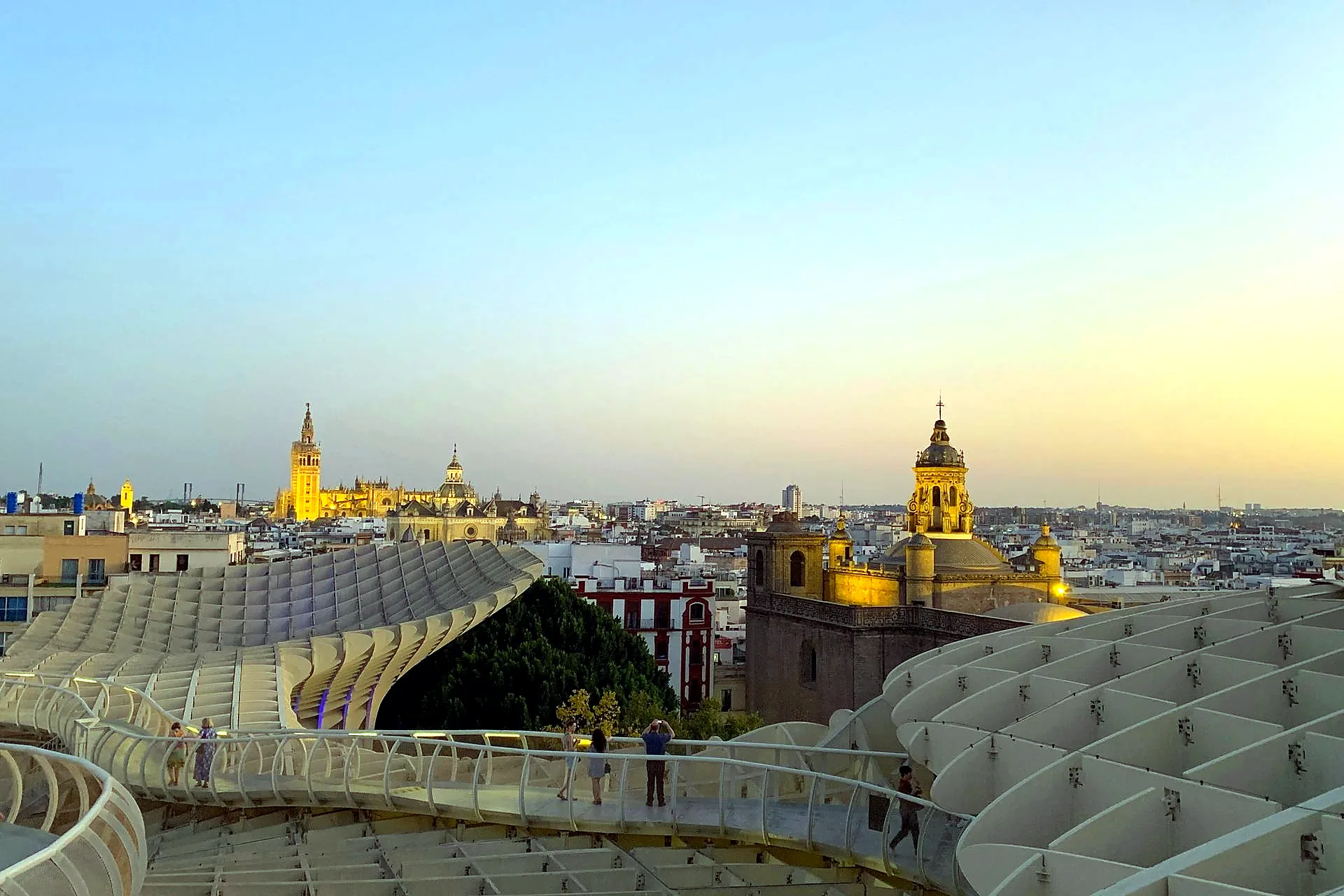
Seville is the capital of Andalusia — the fourth largest city in Spain, an active urban centre with a genuinely functioning local life. The Alcazar is there, the Cathedral is there, and both are extraordinary. But what makes Seville different from a heritage site is the degree to which the cultural life of the city is still alive: the flamenco scene, the tapas bar culture, the two festival weeks (Semana Santa and Feria de Abril) that transform the city’s social calendar, and the neighbourhood of Triana, which has maintained its identity against the considerable pressure of visitor interest. Seville is a city that also contains great monuments. It is not a monument that also contains a city. → Full pillar: Seville Travel Guide 2026.
Granada
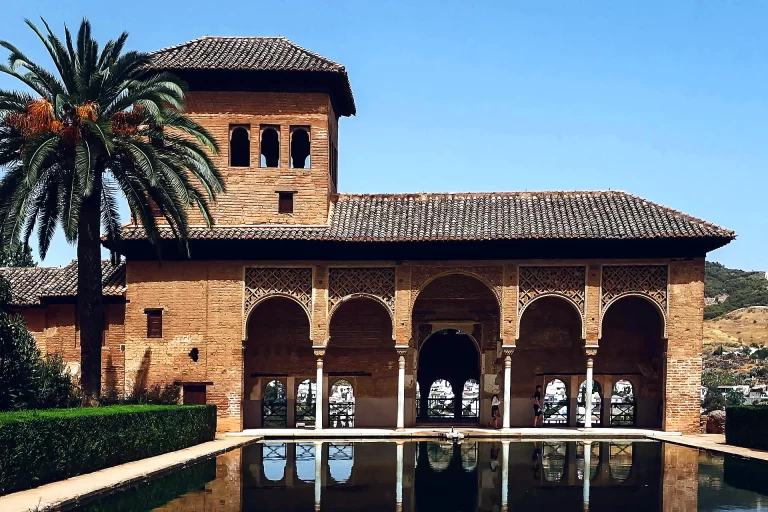
Granada is smaller, more concentrated, and more overtly defined by its single extraordinary monument: the Alhambra. The Nasrid Palaces are the finest surviving example of Islamic palace architecture in the western world — a building that represents a single civilisation’s vision at its most refined, built across a concentrated period rather than accumulated across centuries of changing power. The Albaicín neighbourhood opposite the Alhambra is genuinely atmospheric. The tapas bars in Granada offer something Seville does not — full plates of food free with every drink. The city is smaller and quieter than Seville, which suits certain types of visitor and not others. → Full cluster: Granada Day Trip from Seville 2026.
Seville: What It Offers That Granada Cannot
The Alcazar is more layered than the Alhambra — eight centuries of civilisations building on and around each other, the result of a Christian king commissioning Muslim craftsmen to build a palace that looked like the palaces of his Islamic rivals. This is more historically complex than the Alhambra’s more unified vision, and more revealing of Andalusia’s actual history as a place of cultural collision rather than cultural purity.
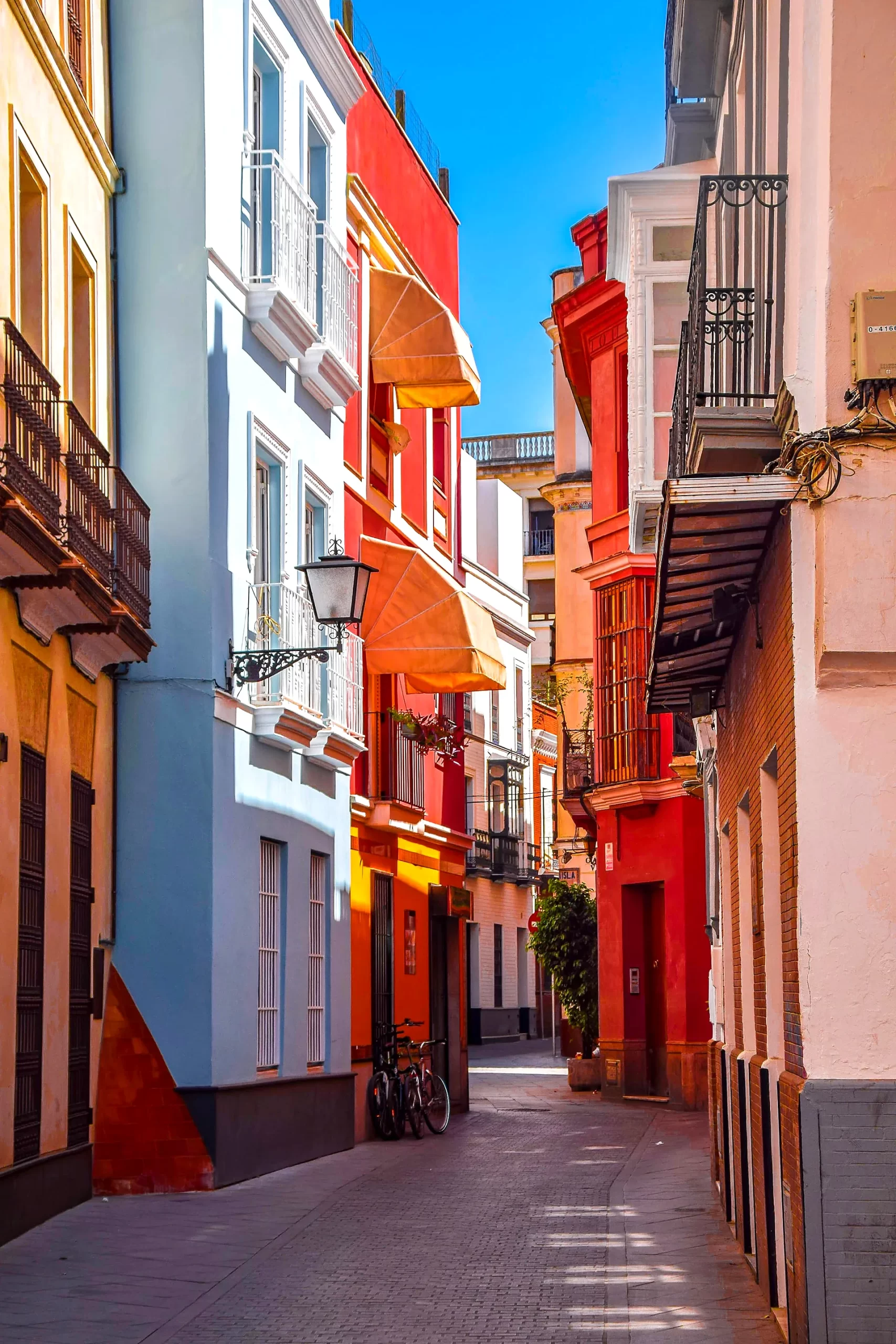
The flamenco scene in Seville is deeper and more accessible than in Granada. Casa de la Memoria and Los Gallos have no true equivalent in Granada. The Bienal de Flamenco — the most important flamenco festival in the world — is a Seville event. The tapas bar culture in Triana, the Feria de Abril, the Semana Santa processions — these are all Seville-specific experiences that Granada does not replicate.
Seville is also a more livable city for a multi-day stay — more accommodation variety, more restaurant options, more neighbourhoods to explore beyond the central tourist circuit.
✦ LUCÍA’S LOCAL TIP — SEVILLE
The experience that most clearly separates Seville from Granada is the Feria de Abril — six days in April when the entire social life of the city concentrates into the fairground in Los Remedios. There is no equivalent in Granada. For visitors who time a trip to coincide with the Feria, Seville is not competing with Granada for the same days — it is offering something that does not exist anywhere else.
Granada: What It Offers That Seville Cannot

The Alhambra. This requires no elaboration beyond the qualifier: the Nasrid Palaces are not simply comparable to the Alcazar — they are a different order of experience. The Alcazar has eight centuries of layered history. The Nasrid Palaces have a single concentrated vision, executed at the height of a civilisation’s architectural achievement. Standing in the Patio de los Leones surrounded by 124 marble columns and the famous fountain, the geometry of the courtyard produces a spatial experience that no other building in Spain replicates.
The Albaicín neighbourhood — the old Moorish quarter on the hill opposite the Alhambra, with the view from the Mirador de San Nicolás back across the gorge to the palace — is more dramatically situated than anything Seville offers at neighbourhood level. The tapas culture in Granada, where a full plate of food arrives free with every drink, is genuinely different from Seville’s version. The Sierra Nevada behind the city, visible on clear days from the Alhambra, gives Granada a dramatic natural backdrop that Seville lacks.
✦ LUCÍA’S LOCAL TIP — GRANADA
The Mirador de San Nicolás in the Albaicín gives the classic view of the Alhambra with the Sierra Nevada behind it. The crowd at 4:00pm in summer is significant. The same view at 2:00pm or 6:00pm is the same view with a fraction of the people. The walk up through the Albaicín from the city centre takes 25 minutes and is worth doing slowly — the neighbourhood provides the context that makes the Alhambra’s presence on the opposite hill legible.
The Comparison: What Actually Determines the Choice
| Factor | Seville | Granada |
|---|---|---|
| Primary monument | Real Alcazar — layered, complex, 8 centuries | Alhambra — unified, refined, peak Islamic architecture |
| Advance booking required | Alcazar: weeks ahead in peak season | Nasrid Palaces: weeks to months ahead |
| Flamenco scene | Deep, accessible, year-round | Present but less developed |
| Tapas culture | Excellent — counter standing, local bars | Excellent — free full plates with drinks |
| Festival culture | Semana Santa, Feria de Abril, Bienal | None of equivalent scale |
| Neighbourhood depth | Triana, Macarena, Alameda | Albaicín |
| Size and urban energy | Large, active, cosmopolitan | Smaller, more concentrated |
| Days needed | 3–5 minimum for depth | 2 days is sufficient for most visitors |
| From the other city | 2hrs 15min from Granada by train | 2hrs 15min from Seville by train |
Lucía’s Verdict
For most visitors to Andalusia on a first trip: Seville as the base, Granada as a day trip. Seville has more to occupy five days than Granada has to occupy two, and the Alhambra is accessible as a day trip from Seville (2 hours 15 minutes by RENFE AVANT). The combination of Seville as a base with a day trip to Granada covers both cities’ essential experiences in a single trip.
For visitors with only one city to choose: the Alhambra is the more architecturally singular experience, but Seville is the more complete destination. The Alcazar, the Cathedral, Triana, flamenco, Semana Santa, Feria de Abril — this is a city with more layers to reveal across multiple days than Granada, which is primarily built around one extraordinary monument and its immediate neighbourhood.
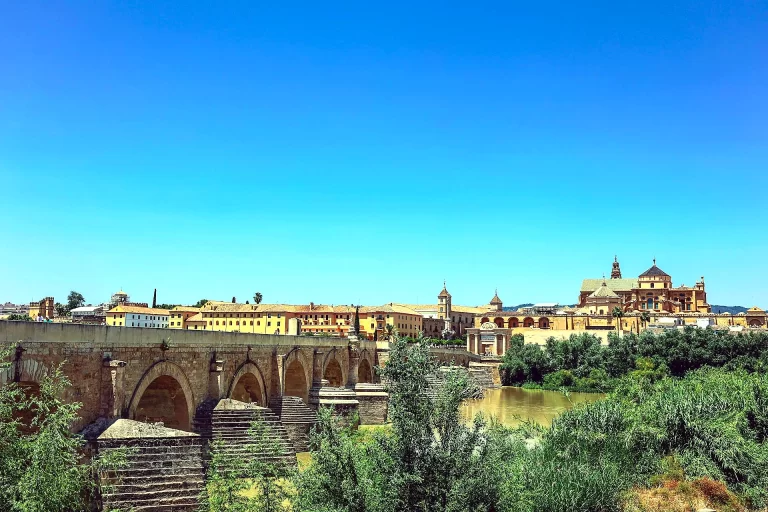
The exception: visitors whose primary interest is Islamic architecture and history. For them, the Alhambra is the priority and Granada is the right base. The Mezquita in Córdoba and the Alcazar in Seville can both be reached as day trips from Granada.
“The question of Seville vs Granada is really a question about what kind of Andalusia a visitor wants. Seville is Andalusia as a living city — festival culture, flamenco, the tapas bar at 2pm. Granada is Andalusia as a monument to what the region once was at its architectural peak. Both answers are right. The better question is which one will draw them back.”
→ → Book your Granada Alhambra day tour from Seville here — Nasrid Palaces slot included
FAQ
Is Seville or Granada better to visit?
Both are excellent and not directly comparable. Seville is a more complete multi-day destination — more to do, more neighbourhood depth, more cultural life beyond the monuments. Granada is built around the Alhambra, which is architecturally more unified and for many visitors the single most extraordinary building in Spain. For most first-time Andalusia visitors: Seville as the base, Granada as a day trip.
Is the Alcazar or the Alhambra better?
They are different enough that the comparison does not resolve into better or worse. The Alhambra is more architecturally unified — one civilisation, one vision, one peak period of construction. The Alcazar is more layered — eight centuries of different civilisations building on the same site. Both are extraordinary. The Alhambra requires more advance planning; the experience of the Nasrid Palaces is more immediately concentrated. The Alcazar rewards longer and repeated visits.
Can I visit both Seville and Granada in one trip?
Yes — most easily with Seville as the base and Granada as a day trip (2 hours 15 minutes by RENFE AVANT, return €40–65). A guided day tour from Seville (€120–160 all-in) is the most reliable option as it includes a pre-booked Nasrid Palaces slot. Alternatively, spending 3 days in Seville and 2 days in Granada as separate legs of a larger Andalusia trip covers both cities properly.
Which city has better tapas — Seville or Granada?
They offer different tapas experiences. Seville’s tapas bars are excellent — counter standing, local atmosphere, the solomillo al whisky, cold manzanilla — but dishes are paid for. Granada’s tapas bars include free full plates of food with every drink, which is unusual in southern Spain and represents genuinely good value. Both are worth experiencing; they are not substitutes for each other.
Related Posts
- Seville Local Life and Culture 2026: Neighbourhoods, Photography and City Comparisons
- Granada Day Trip from Seville 2026: What to Book, When to Go and Why It Sells Out
- Alhambra Tour from Seville 2026: Why the Nasrid Palaces Slot Sells Out Weeks Ahead
- Real Alcazar Seville 2026: Tickets, Skip-the-Line Tours and Complete Visitor Guide
- Seville vs Córdoba 2026: What Each City Does That the Other Simply Cannot
- Best Day Trips from Seville 2026: Granada, Alhambra, Córdoba, Ronda and Beyond