Carmona Day Trip from Seville: The Walled Town Most Visitors Skip
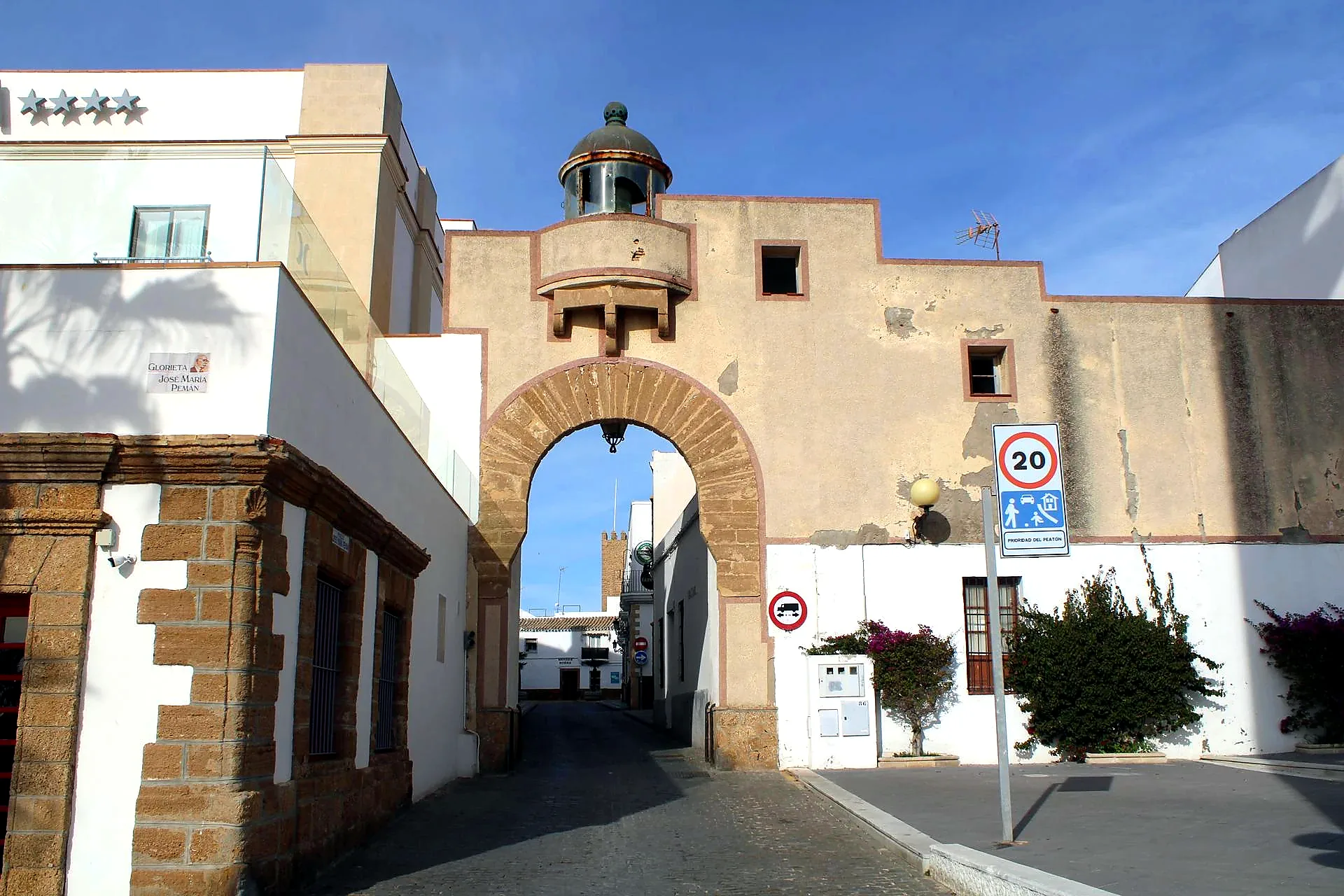
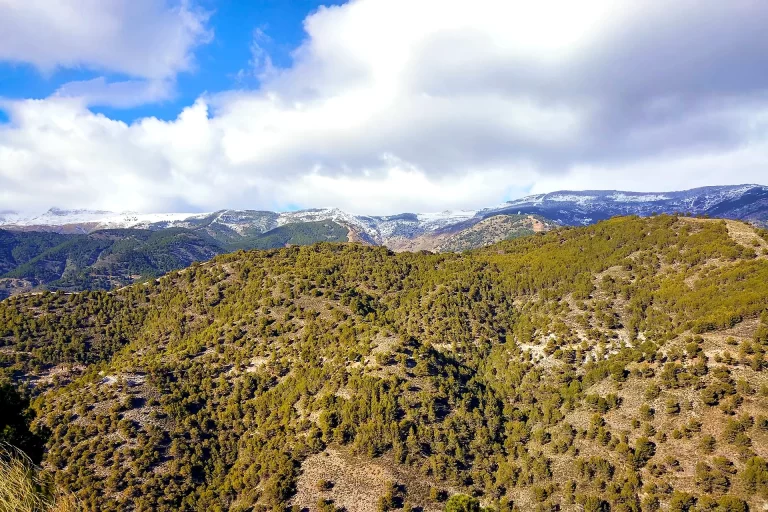
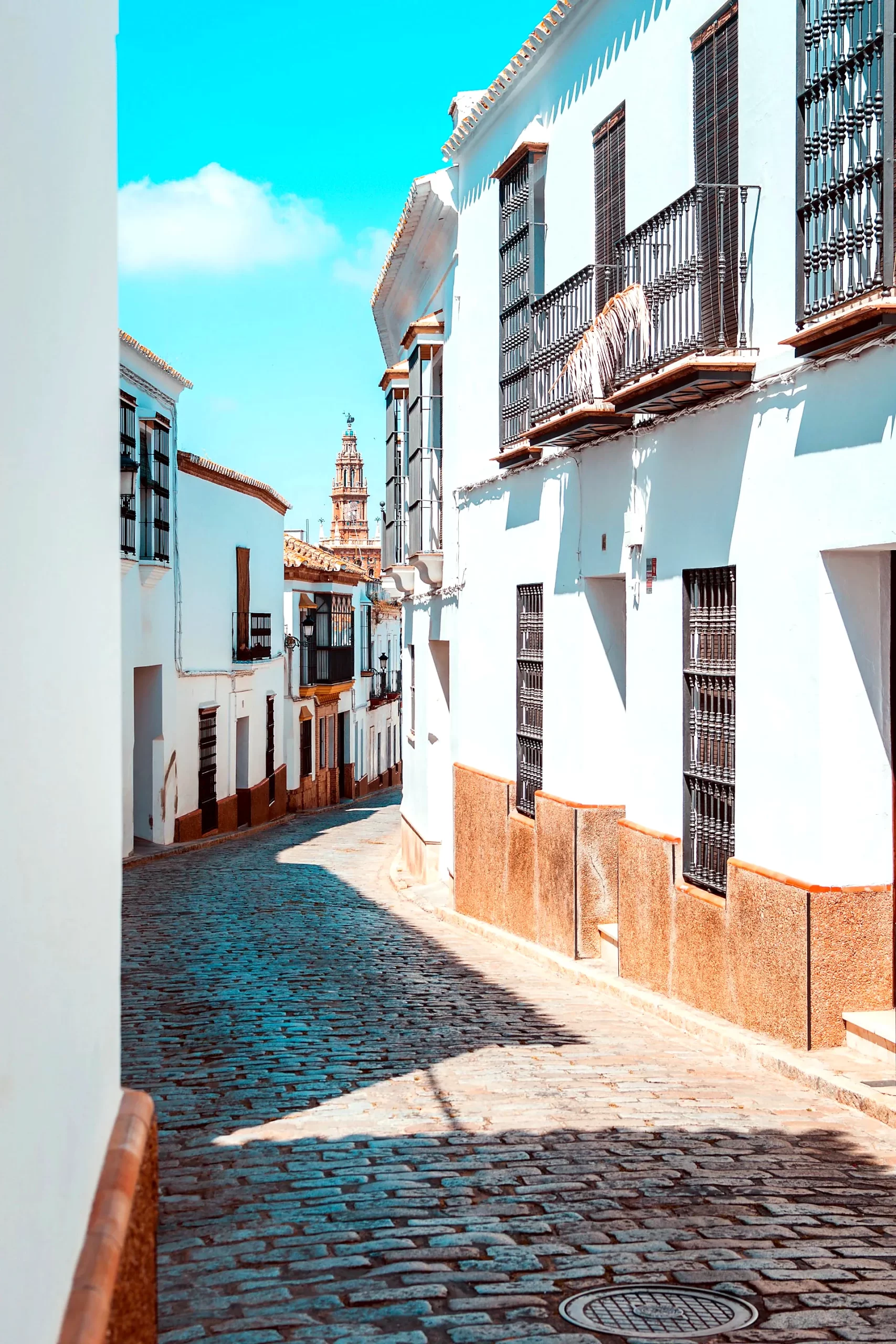
Carmona is forty kilometres east of Seville on the main road to Córdoba, its old town sitting on a limestone ridge above the Corbones valley in a position that explains why every civilisation that passed through this part of Andalusia found it worth occupying. The Romans built a city here — Carmo, one of the most important in Baetica province. The Moors built a substantial medina and a pair of fortified gates that still define the town’s two main entrances. The Catholics built a Gothic church over a mosque that had been built over a temple. All of this is still there, in good condition, thirty-five minutes from Seville by bus. The Carmona day trip is the one I recommend to visitors who mention that they have already done Granada and Córdoba and want something that involves neither a booking queue nor a two-hour train journey.
Why Carmona Works as a Day Trip from Seville
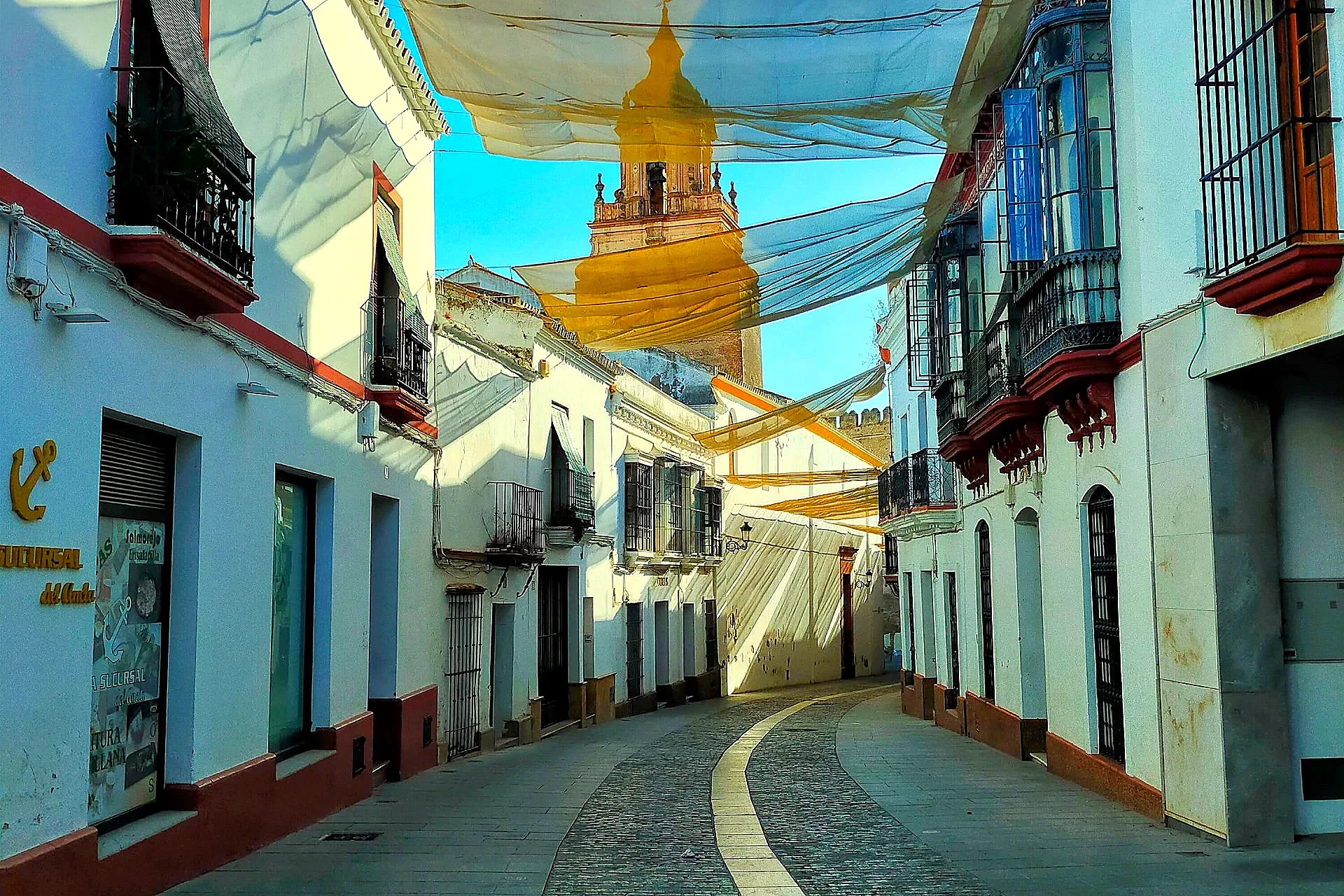
Carmona’s particular quality is density: a small old town — walkable end to end in twenty minutes — that contains more historical layers per square metre than almost anywhere in Andalusia. The Puerta de Sevilla at the western entrance is a Carthaginian gate rebuilt by the Romans and extended by the Almohads; it is one of the most architecturally complex individual gates in the Iberian peninsula and most visitors walk through it without stopping because they have not been told what it is. The Parador hotel — a former Alcázar-palace of Pedro I, the same king who commissioned the Mudéjar palace in Seville — occupies the highest point of the ridge with views over the campagna that have not changed materially in five centuries. I have had lunch on that terrace three times and considered it an appropriate use of a Tuesday afternoon each time. See all day trip options at the Day Trips from Seville pillar guide.
What to Do in Carmona on a Day Trip
The Puerta de Sevilla and the Alcázar de la Puerta
The Puerta de Sevilla is the reason to understand what you are looking at before arriving in Carmona. The gate’s core structure is Carthaginian, modified by Roman engineers in the 2nd century BCE who added a defensive courtyard (a barbican) between the outer and inner gates. The Almohads extended it further in the 12th century, adding the tower that is now visible from the road approaching the town. Entering Carmona through this gate and knowing its layers is the difference between passing through a doorway and reading 2,300 years of military architecture in a single structure.
The Alcázar de la Puerta — the defensive complex incorporated into the gate — houses the Carmona tourist office and offers a short guided visit to the upper sections. The climb gives views over the approach road and the surrounding plain that make the gate’s defensive logic immediately legible.
✦ LUCÍA’S LOCAL TIP
Stop at the tourist office inside the Puerta de Sevilla before walking further into the old town. The free map they provide is not remarkable, but the staff are unusually good at explaining which specific details are worth looking for in each building — the kind of specific knowledge (which column capital is Roman spoliation, which carved stone is reused Visigothic material) that transforms the walk from a sequence of old buildings into a legible archaeological conversation. I do this every time and learn something new each visit.
The Prioral Church of Santa María de la Asunción
The Prioral church was built in the 15th century on the site of a mosque that had been built on the site of a Roman temple. The Roman temple’s peristyle columns — sixteen of them, in the Corinthian order — survive as the arcade of what is now the Patio de los Naranjos on the church’s south side. The orange trees in the patio are later additions; the columns are 1st century CE and still in their original positions. Walking through that courtyard and understanding that the column bases are Roman, the arches above them are Gothic, and the orange trees in between were planted in the 16th century is the specific compressed-history experience that Carmona delivers better than anywhere I know at this scale.
The Roman Necropolis
The Roman necropolis on the western edge of the ridge — outside the city walls, as Roman law required burial to be — is the most extensive burial complex of its type in Spain. More than 900 tombs have been excavated, ranging from simple grave cuts in the rock to elaborate family mausoleums with frescoed dining rooms where family members held annual commemorative meals with the deceased. The Tomb of Servilia is the most elaborate: a multi-room complex arranged around a central courtyard with a garden, its painted walls still carrying traces of the original decorative scheme. The necropolis is a fifteen-minute walk from the old town centre and well signposted. Entry costs approximately €1.50 for non-EU visitors.
✦ LUCÍA’S LOCAL TIP
The necropolis closes for a midday break (typically 14:00–16:00 depending on season) — plan the visit for either the morning or the late afternoon. I prefer the afternoon: the low light enters the tomb entrances from the west and illuminates the frescoed walls in a way that the harsher midday light does not. The site is almost always quiet, which allows the kind of slow looking that the individual tomb details reward.
What Else Is Worth Knowing
- Getting there: ALSA bus from Seville’s Plaza de Armas — approximately 35 minutes, runs frequently throughout the day. By car, approximately 35 minutes via the A-4 motorway east toward Córdoba. No train service to Carmona.
- When to go: Carmona works in any season. Spring and autumn are most comfortable; summer requires the standard Andalusian approach of moving slowly, visiting interiors during midday, and accepting that the pace slows after noon.
- Lunch: The Parador terrace is the most atmospheric option — lunch or just a coffee with the campagna view. The restaurants in the streets around the Prioral church are generally good and considerably cheaper. Avoid anything near the Puerta de Sevilla that has a tourist menu sign.
- How long to allow: Three to four hours covers the old town thoroughly. Five hours adds the necropolis and a proper lunch. A full day is possible and leaves time for the slower pace that Carmona rewards.
“Carmona is what I recommend to visitors who have seen enough of the big sites and want a day that does not require a booking system. The town does not demand anything from you — it simply rewards attention. Go on a weekday, arrive at the Puerta de Sevilla early, and plan to stay longer than you intended.”
→ [GYG: Book your Carmona guided day trip from Seville here — old town and Roman necropolis with expert guide]
FAQ
Is Carmona worth visiting from Seville?
Carmona is worth visiting from Seville for travellers who want a day of compressed Andalusian history without queues, advance booking, or long travel times. The Puerta de Sevilla gate, the Roman-column courtyard of the Prioral church, and the Roman necropolis all deliver archaeological depth that Seville’s larger day trip destinations — Granada, Córdoba — have in greater abundance but rarely with this little competition for space and attention.
How do I get from Seville to Carmona?
ALSA buses run from Plaza de Armas bus station in Seville to Carmona in approximately 35 minutes, with frequent departures throughout the day. By car the journey takes approximately 35 minutes east via the A-4 motorway toward Córdoba. There is no train service to Carmona.
What is Carmona known for?
Carmona is known for its layered archaeological history — Carthaginian, Roman, Moorish and Christian remains occupying the same hilltop town in unusually legible succession. The Puerta de Sevilla gate is one of the most architecturally complex surviving ancient gates in Spain. The Roman necropolis is the most extensive of its type on the Iberian peninsula. The Prioral church preserves its Roman predecessor’s columns in the courtyard.
How long does a Carmona day trip from Seville take?
Three to four hours in Carmona covers the old town, the Puerta de Sevilla, the Prioral church and its Roman courtyard. Adding the Roman necropolis extends the visit to four to five hours. The bus journey is 35 minutes each way, making Carmona a comfortable half-day or full-day trip from Seville without the logistics of a longer journey.
Is Carmona or Italica a better day trip from Seville?
Both offer Roman archaeology within easy reach of Seville — Italica at 30 minutes, Carmona at 35 minutes. Italica specialises in the Roman period specifically, with the third-largest amphitheatre in the Empire and exceptional in-situ mosaic floors. Carmona layers Roman remains within a full medieval and early modern old town. For a specifically Roman experience: Italica. For the most compressed multi-period Andalusian history in a small town: Carmona.
Related Posts
- Best Day Trips from Seville 2026: Granada, Alhambra, Córdoba, Ronda and Beyond
- Italica Roman Ruins from Seville: What Makes the Half-Day Trip Worth It
- Best Day Trips from Seville by Train: What Works Without Renting a Car
- Córdoba Day Trip from Seville 2026: The Mezquita and What to See in 8 Hours
- Jerez de la Frontera Day Trip from Seville: Sherry, Horses and How to Plan It