Doñana National Park Day Trip from Seville: Wildlife, Timing and What to Expect
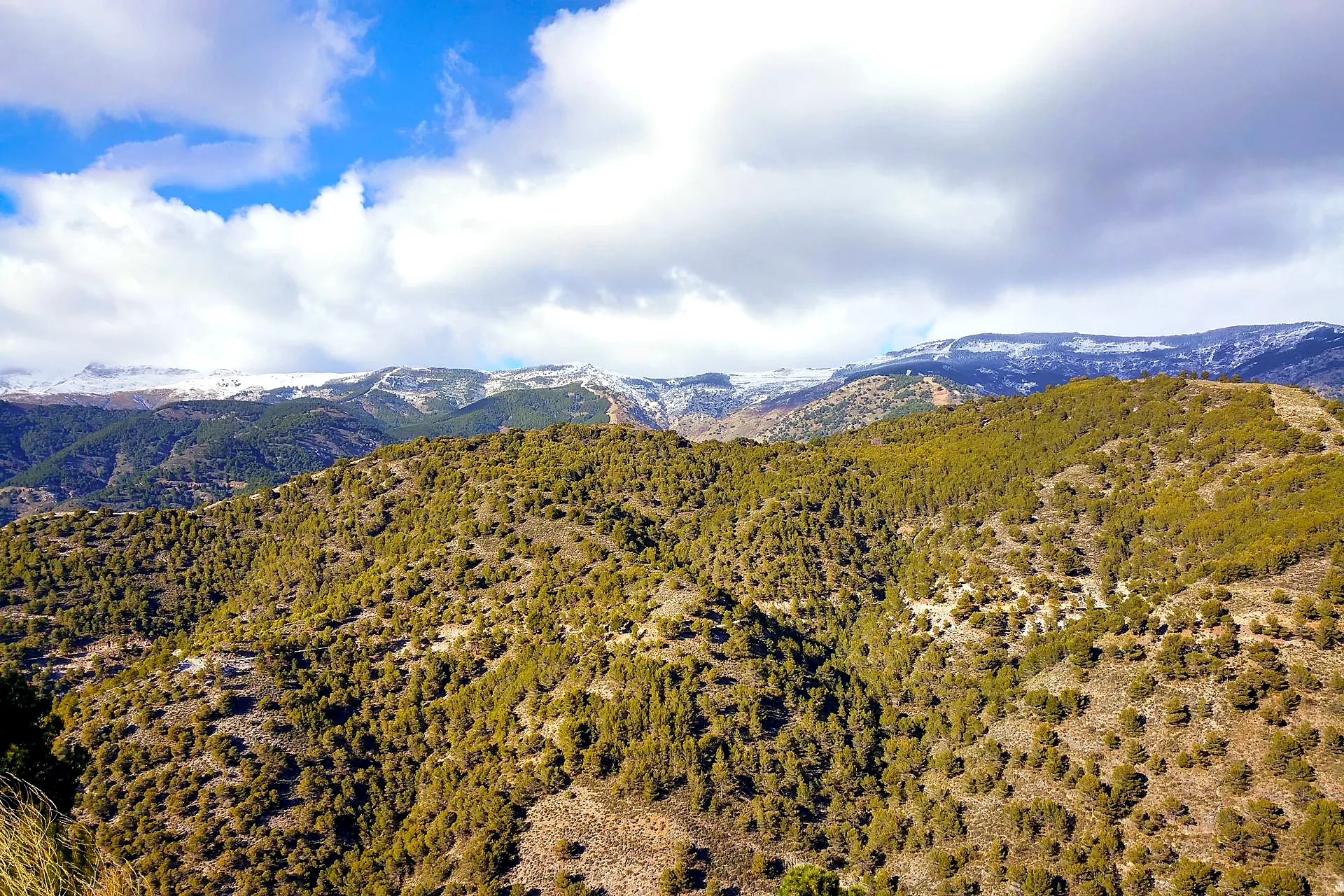
The Doñana National Park occupies the western edge of the Guadalquivir delta — a system of marshes, mobile dunes, pine forests and beach that constitutes the largest wetland in Europe. The marshes hold water from October through May; in summer they dry to cracked mud, and the wildlife concentrates around the remaining water points in densities that make summer the most dramatic wildlife-watching period despite the heat. The Doñana National Park day trip from Seville is approximately one hour by road from the city, making it the closest wild landscape to any major Andalusian city and one of the most accessible UNESCO World Heritage natural sites in Europe. What it requires — and what most visitors underestimate — is the right guide, the right vehicle, and the right timing.
What Doñana Is and Why Access Is Restricted
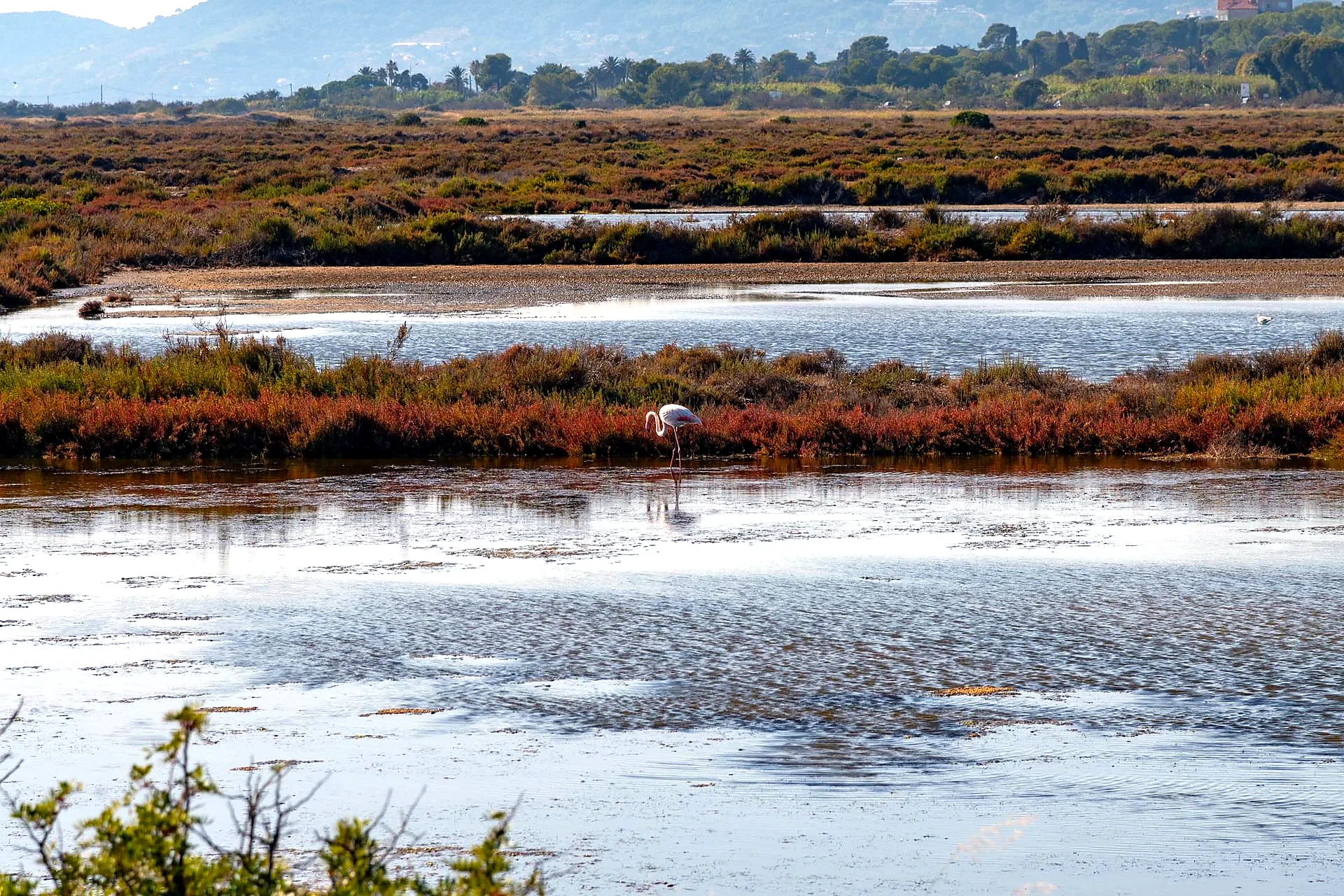
The Doñana National Park has a strictly controlled access system. The park interior — the core zone containing the marshes, the dunes and the protected breeding areas — is not open to independent visitors on foot or by private vehicle. Access requires a licensed official tour vehicle, departing from the Acebrón palace visitor centre or from the El Acebuche reception centre near the coast. This restriction exists because the park contains critical breeding habitat for species including the critically endangered Iberian lynx, the Spanish imperial eagle, and wintering populations of birds from across Europe and Africa that make Doñana one of the most important wetland habitats on the continent. Full day trip comparisons in the Day Trips from Seville pillar guide.
✦ LUCÍA’S LOCAL TIP
The official Doñana off-road vehicle tours run from the El Acebrón centre and the Sanlúcar de Barrameda side of the park. The Sanlúcar-based tours, operated by Viajes Doñana, are the most extensive — they cover the beach zone along the Atlantic coast of the park and the interior marshes in a four-hour circuit. Booking directly through the official tour operators is recommended over booking through aggregator sites, as the Sanlúcar tours in particular sell out in the weeks before spring and autumn dates. The journey from Seville to Sanlúcar takes approximately one hour by car or by ALSA bus from Plaza de Armas.
What to Expect on a Doñana Tour
The standard guided tour covers the park in an open-sided off-road vehicle with a licensed guide who reads the landscape in real time — stopping at water points where flamingos are feeding, at tree lines where eagles are visible on thermal currents, at dune faces where the footprints of overnight visitors are still readable in the morning sand. The experience is fundamentally different from a wildlife safari in the sense that Doñana is not a place where animals are concentrated artificially — the sightings depend entirely on what is present on the day, which is part of what makes a good guide essential.
Spring (March–May) brings the park’s largest bird concentrations as migratory species arrive from Africa. Autumn (September–November) reverses the movement. Winter maintains the wintering waterbird populations. Summer sees reduced water in the marshes and concentrated wildlife at remaining pools, combined with heat that requires an early morning start. There is no bad season for Doñana, but the experience differs considerably between them.
✦ LUCÍA’S LOCAL TIP
The Iberian lynx has been recovering steadily in Doñana through a successful reintroduction programme — the park now holds one of the two main wild populations of the species. Sightings are not guaranteed and should not be expected, but they are no longer as rare as they were a decade ago. The best chances are in the dawn hours on the ecotone between the scrubland and the marshes. Tell the guide at the start of the tour that a lynx sighting is a priority — it changes how the tour is conducted.
Getting to Doñana from Seville
The main access points from Seville are the El Rocío village side (approximately 75 kilometres, one hour by car via the A-49 toward Huelva) and the Sanlúcar de Barrameda side (approximately 100 kilometres, one hour by car or ALSA bus). El Rocío is the starting point for the Acebrón visitor centre tours; Sanlúcar is the starting point for the more comprehensive beach and marsh circuit. Both sides require a licensed guide vehicle for park interior access — independent entry is not permitted.
Organised day tours from Seville covering Doñana are available through GetYourGuide and directly through park-licensed operators. These handle all transport from Seville and are practical for visitors without a car. Tours typically run four to five hours inside the park plus travel time from Seville.
What to Know Before You Go
- Book in advance: Spring and autumn tours sell out. The Sanlúcar circuit is particularly limited in capacity — book 2–3 weeks ahead minimum for weekend dates, 1 week for weekdays.
- Best season: Spring (March–May) for maximum bird diversity; summer for concentrated wildlife at water points (heat is significant); autumn for migratory species; winter for wintering waterbirds.
- What to bring: Binoculars if available — the guide will have spotting scope but personal binoculars significantly improve the experience. Sunscreen and hat are essential year-round; the vehicles are open-sided with limited shade.
- Photography: Long telephoto lenses reward the investment here. Minimum 300mm equivalent for usable wildlife images from the vehicle. The light is best in the two hours after sunrise.
- Combined visits: El Rocío village (a Andalusian pilgrimage town with horses walking freely on sandy streets and a famous hermitage) is immediately adjacent to the park entrance and worth an hour before or after the tour.
“Doñana is the day trip from Seville that surprises visitors most consistently — the expectation is a nature reserve, the reality is a landscape that operates on a completely different scale and logic from anything in the city. Go in spring if the choice is available. Bring binoculars.”
FAQ
Can I visit Doñana National Park independently from Seville?
The Doñana National Park interior — the marshes, dunes and core breeding zones — is not open to independent visitors on foot or by private vehicle. Access requires a licensed official tour vehicle departing from designated visitor centres. The peripheral areas (visitor centre buildings, the El Rocío village surroundings, the beach access near Matalascañas) are accessible without a guided tour, but these represent only the edge of the park.
What wildlife can I see at Doñana from Seville?
Doñana holds the Spanish imperial eagle, the Iberian lynx (recovering population, sightings possible but not guaranteed), flamingos, greater spotted eagle, black stork, Eurasian spoonbill, and in spring and autumn, concentrations of migratory waders and waterfowl from across Europe and Africa. The diversity changes significantly by season — spring and autumn are peak periods for variety; summer concentrates the remaining species around water points.
How long does a Doñana day trip from Seville take?
Allow a full day: approximately one hour travel each way from Seville, plus four to five hours on the guided tour inside the park. Tours from the Sanlúcar de Barrameda side run a longer circuit than the El Acebrón side. Organised day tours from Seville typically run eight to nine hours door-to-door.
What is the best time of year to visit Doñana from Seville?
Spring (March–May) for the highest bird diversity as migratory species arrive from Africa. Autumn (September–November) for the return migration. Summer for concentrated wildlife at remaining water points despite the heat — early morning tours are essential in July and August. Winter maintains significant waterbird populations and is the quietest visitor period.
Is Doñana or the Caminito del Rey a better day trip from Seville?
They are different experiences rather than comparable alternatives. Doñana is a wildlife and landscape experience in flat wetland terrain; the Caminito del Rey is a gorge walk requiring tolerance for exposure to heights. For visitors interested in wildlife and natural landscapes, Doñana. For visitors wanting a physical walk through dramatic gorge scenery, the Caminito del Rey. Both are worth making the journey from Seville.
Related Posts
- Best Day Trips from Seville 2026: Granada, Alhambra, Córdoba, Ronda and Beyond
- Caminito del Rey from Seville: What the Walk Is Like and How Far Ahead to Book
- Jerez de la Frontera Day Trip from Seville: Sherry, Horses and How to Plan It
- Best Day Trips from Seville by Train: What Works Without Renting a Car
- Ronda Day Trip from Seville: Does the Drive Live Up to the Puente Nuevo?