Semana Santa Seville 2026: What It Is, What It Feels Like and Whether to Go
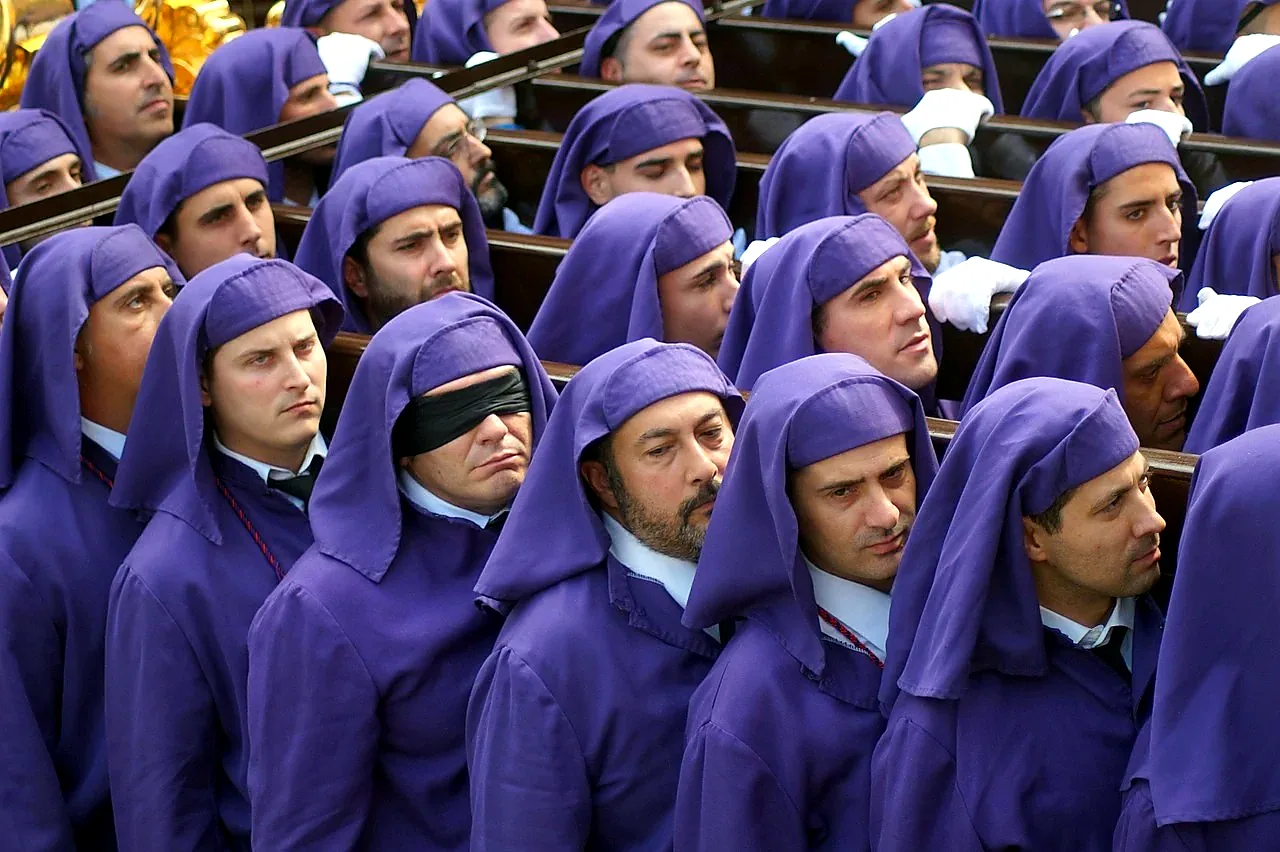
There is a moment on the first night of Semana Santa when the incense reaches you before the float does — and the street goes quiet in a way that no crowd of that size should be able to manage. Semana Santa Seville 2026 runs from Sunday 29 March to Sunday 5 April. This post covers what the festival is, the key dates and processions, what to book in advance, and an honest answer on whether visiting during Holy Week is worth the logistical and financial premium it requires.
What Semana Santa Actually Is — and Why Seville Is Different
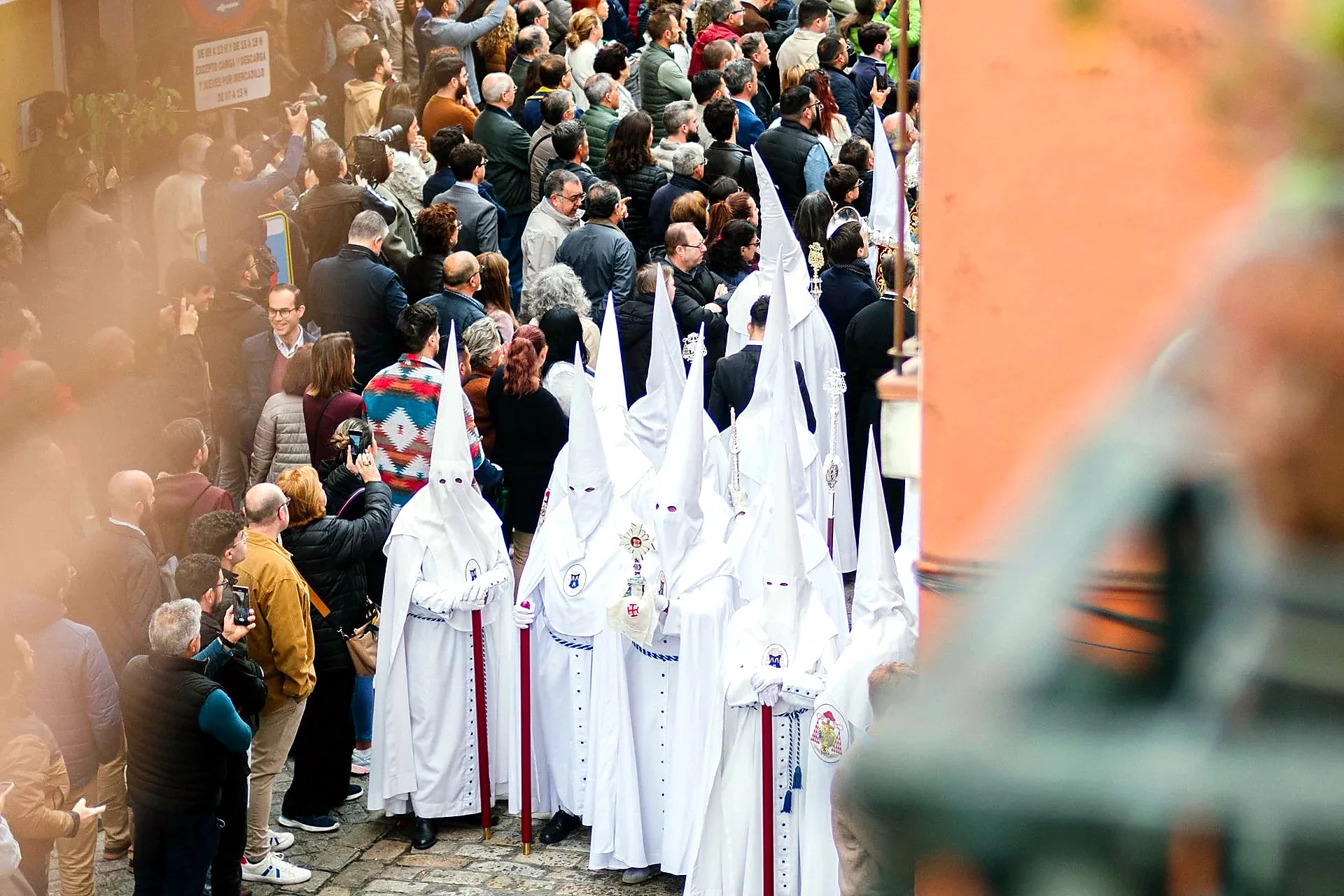
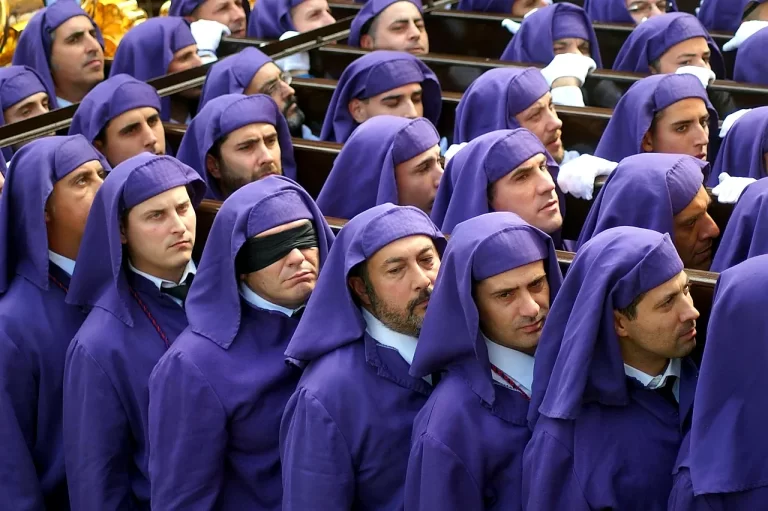
Semana Santa is Holy Week — the seven days before Easter Sunday, marked across Spain and much of the Catholic world. Seville’s version is the most significant in Spain and among the most extraordinary in Europe, not because of its size but because of the depth of local participation. Sixty hermandades — brotherhoods, some centuries old — each carry an enormous float through the city streets over seven nights. The floats, called pasos, can weigh several tonnes and are carried entirely on the shoulders of men walking blind beneath the platform, guided only by the rhythm of a bell struck by the conductor who walks inside.
Above the costaleros — the men carrying the float — are carved figures of Christ or the Virgin Mary, dressed in robes, surrounded by hundreds of candles, moving through streets that go silent as they approach. The brotherhoods have their own routes, their own schedules, their own history. Semana Santa in Seville is not one procession. It is a week of sixty processions, running simultaneously across the city, in neighbourhoods most visitors never reach during an ordinary trip.
What makes Seville’s Semana Santa different from other Spanish cities is the degree to which it belongs to the city before it belongs to visitors. This is a religious observance that Sevillanos have maintained for centuries. The crowds watching from the streets include local families who have stood at the same corner for generations, watching the same brotherhood pass as their parents and grandparents watched it. Visitors are guests at something that does not exist for their benefit. That distinction changes how the week feels.
Semana Santa 2026: Dates and Key Moments
Semana Santa 2026 runs from Sunday 29 March (Domingo de Ramos) to Sunday 5 April (Domingo de Resurrección).
Dates and schedule correct as of June 2026. Always verify with the official Seville tourism calendar at visitasevilla.es before travel — individual brotherhood timings can shift.
Domingo de Ramos (Palm Sunday, 29 March)
The week opens with Palm Sunday. The most significant brotherhood of the day is La Borriquita, which follows the route commemorating Christ’s entry into Jerusalem. The mood is ceremonial and anticipatory — the week is beginning rather than at its emotional peak. Crowds are significant but not at the maximum levels of mid-week and Friday.
Lunes, Martes and Miércoles Santo (30 March–1 April)
The middle days of the week. Not the emotional peak of Semana Santa, but arguably the best days for visitors who want to experience the processions without the maximum crowd pressure. The brotherhoods processing on these days move through neighbourhoods including Triana and Macarena with less competition for pavement space. The atmosphere is more intimate than the main days.
La Madrugá (Early Hours of Good Friday, 3–4 April)
La Madrugá is the emotional centre of the entire week. Six of the most important brotherhoods — including La Macarena and El Gran Poder — process through the night, beginning after midnight and continuing until dawn. The streets are packed. The silence, when it comes, carries a physical weight. This is the night that defines Semana Santa Seville — the experience that most visitors who have witnessed it describe as unlike anything else the city offers.
Viernes Santo (Good Friday, 4 April)
Good Friday continues into the day. The mood is more sombre than any other point in the week. The afternoon processions carry the most painful iconography of the Passion — the Cristo del Cachorro, the Soledad. The combination of La Madrugá the night before and Good Friday during the day makes this the most emotionally intense 24-hour period of the week.
Domingo de Resurrección (Easter Sunday, 5 April)
The week closes with Easter Sunday. The mood lifts perceptibly. The procession of the Resurrected Christ moves through the centre in morning light and the city begins to exhale. By Monday the floats are back in their brotherhoods’ houses and Seville returns to its ordinary pace.
✦ LUCÍA’S LOCAL TIP
The carrera oficial — the official route along Calle Sierpes, Plaza de San Francisco, and Avenida de la Constitución — is where every brotherhood passes and where most visitors position themselves. It is genuinely spectacular. But the most affecting Semana Santa moments come in the side streets off the main route, where a float turns a corner in near-darkness and the only light comes from the candles on the paso. Leaving the carrera oficial and walking toward the sound of the drums is almost always the right instinct.
What to Book in Advance
Accommodation is the first and most urgent booking for a Semana Santa visit. Hotels in the historic centre sell out months before 29 March — sometimes before the previous year’s festival has ended. Hotel rates during Semana Santa are two to three times standard rates, with availability effectively gone from Santa Cruz and El Arenal by February. If accommodation has not been booked by January 2026 for the Semana Santa week, the realistic options are hotels outside the historic centre or serviced apartments that have not yet been taken.
Grandstand seats (sillas) along the carrera oficial are sold officially by the city and by private operators. They sell out. A seat gives a guaranteed view of every brotherhood as they pass the same point — the experience of watching sixty processions without competing for pavement space over seven nights. Standing everywhere along the route is free; seats are for those who want a fixed position for extended periods.
Guided procession tours add a layer of context that takes years of direct experience to acquire independently. A guide who knows which brotherhood is approaching, what the iconography means, where the saeta — the improvised flamenco prayer sung from balconies to the passing floats — is most likely to be heard, and how to position for La Madrugá changes the experience of the week substantially.
“I have watched Semana Santa from the same spots in Seville for eight years. The guided La Madrugá tour is worth booking on a first visit — it explains what you are watching in a way that takes years to learn alone, and positions you for the moments that define the night.”
→ → Book your Semana Santa guided procession tour here — La Madrugá and Holy Week, specialist guide
Should You Go? Lucía’s Honest Answer
Semana Santa is not a spectacle in the way that tourist sites usually are. It does not ask visitors to appreciate it — it simply happens, and they are either in it or they are not. For visitors who are genuinely curious about what it means for a city to have maintained a religious tradition of this intensity for centuries, Semana Santa Seville is one of the most extraordinary experiences available anywhere in Europe.
The honest trade-offs: accommodation costs two to three times standard rates and must be booked months ahead. The city’s restaurants are crowded and more expensive. Transport is disrupted — procession routes close streets, taxis are scarce after midnight, and public transport runs modified schedules. The week requires patience and physical stamina — La Madrugá means standing on streets through the night.
For visitors who want Seville at its most atmospheric and most culturally specific, and who can accept the logistical and financial premium: go. For visitors who want comfortable, relatively uncrowded sightseeing at reasonable hotel rates: October or November are better choices.
✦ LUCÍA’S LOCAL TIP
If visiting during Semana Santa for the first time: prioritise La Madrugá over every other night of the week. The middle days (Monday, Tuesday, Wednesday) are less crowded than Thursday and Friday and give a genuine experience of the processions without the maximum intensity. Arriving on Monday or Tuesday and staying through Good Friday gives the full arc of the week without arriving into the most overwhelming arrival day (Palm Sunday) unprepared.
Practical Information
- Dates 2026: 29 March (Palm Sunday) to 5 April (Easter Sunday)
- La Madrugá: Night of Thursday 3 April into the early hours of Friday 4 April
- Accommodation: Book immediately — historic centre hotels are effectively gone by February
- Transport: Procession routes close major streets throughout the week — allow extra time for all journeys
- Dress: No specific dress code for viewers — comfort and layers for late-night standing recommended
- Photography: Permitted from the street; no flash on the floats is the standard respect expected
- Sillas (seats): Available from the official city tourism office and private operators — book early
FAQ
What is Semana Santa in Seville 2026?
Semana Santa is Holy Week — the seven days before Easter Sunday. In Seville, 60 hermandades (brotherhoods) process through the city over seven nights, each carrying enormous carved floats of Christ or the Virgin Mary on the shoulders of men walking beneath them. The week runs 29 March–5 April 2026. La Madrugá — the early hours of Good Friday — is the emotional peak of the week.
When is Semana Santa 2026 in Seville?
Semana Santa 2026 in Seville runs from Sunday 29 March (Palm Sunday) to Sunday 5 April (Easter Sunday). La Madrugá — the night processions — begins after midnight on Thursday 3 April and continues into the early hours of Good Friday 4 April.
Is it worth visiting Seville during Semana Santa?
For visitors genuinely interested in the cultural and religious significance of the festival: yes — Semana Santa Seville is one of the most extraordinary public events in Europe. The trade-offs are significant: accommodation costs two to three times standard rates, must be booked months ahead, and the city is crowded and logistically complex throughout the week. Visitors who want comfortable, affordable sightseeing are better served by October or November.
What is La Madrugá in Seville?
La Madrugá is the night of Semana Santa when six of the most important brotherhoods process through the city — beginning after midnight on Thursday and continuing until dawn on Good Friday. It is considered the emotional centre of the entire week. La Macarena and El Gran Poder are the two most significant brotherhoods of La Madrugá.
Do I need a guided tour for Semana Santa in Seville?
Not strictly — the processions are visible from any public street along the route for free. A guided tour adds context: knowing which brotherhood is approaching, what the iconography means, where the saeta singing is most likely to be heard, and how to position for La Madrugá. For a first Semana Santa experience, a guided tour for La Madrugá specifically is worth booking.
Related Posts
- Seville Travel Guide 2026: Itineraries, Best Time to Visit and Trip Planning Tips
- Where to Watch Semana Santa Processions in Seville: Spots the Locals Use
- Feria de Abril Seville 2026: What Sevillanos Are Actually Celebrating
- Best Time to Visit Seville 2026: A Month-by-Month Breakdown
- Where to Stay in Seville 2026: Best Neighbourhoods, Hotels and Accommodation Guide
- Two Days in Seville 2026: The Itinerary Worth Booking a Trip For