Seville Travel Guide 2026 for Solo Travellers, Families, Couples and Budget Trips
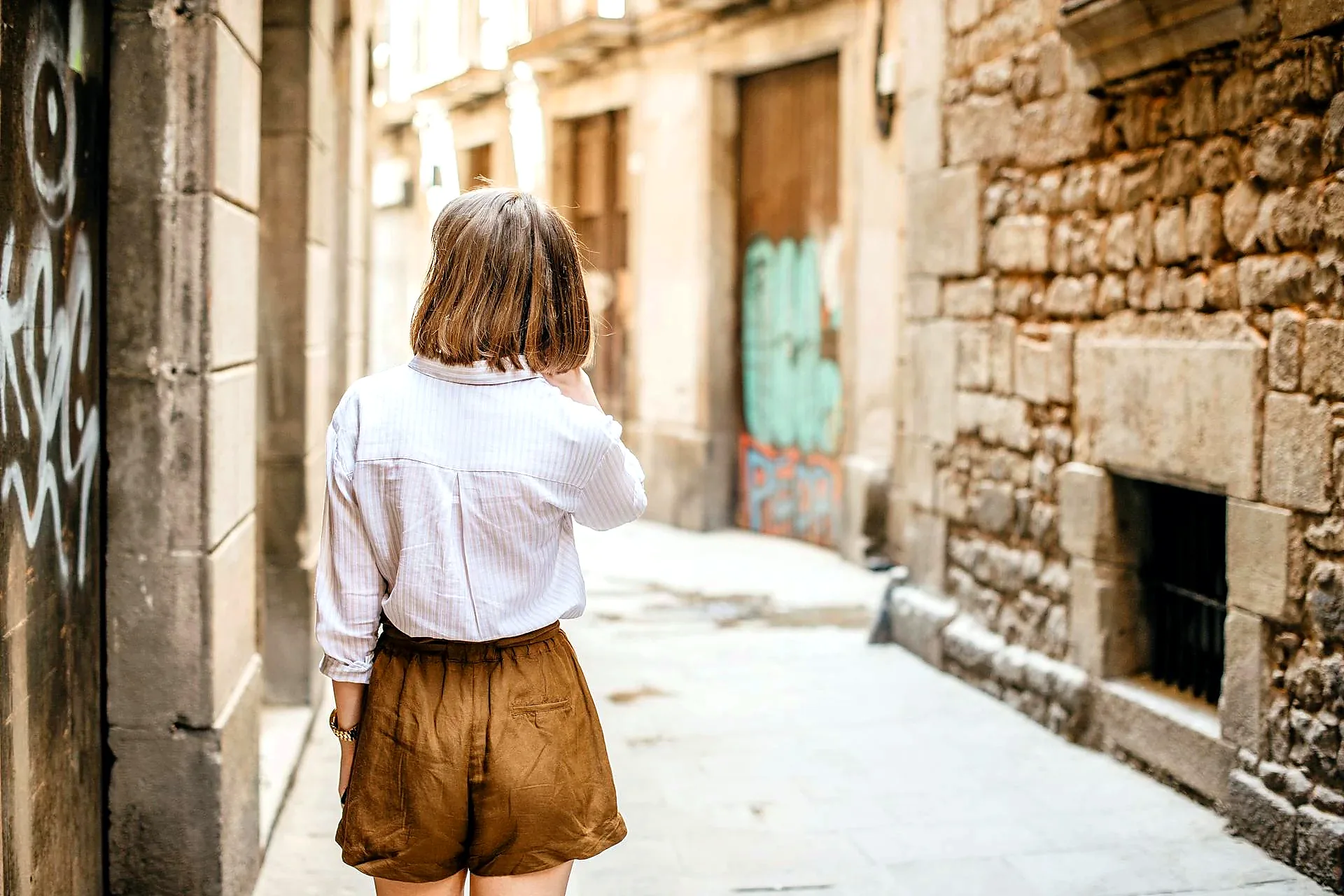
Seville works differently depending on who is visiting and how. A solo traveller eating alone at a Triana bar counter at 2pm is doing exactly what the bar was designed for. A family with young children navigating the Alcazar gardens before the heat builds has a genuinely good morning. A budget traveller who books the Thursday free Cathedral entry and eats counter lunches for €11 per person has made no compromise on experience. This guide brings together the specific advice that makes Seville work for each type of visitor.
What This Guide Covers
This pillar brings together the traveller-specific guides for Seville — solo travel, families, budget trips, luxury experiences, senior visitors, slow travellers, remote workers, and specialist interest groups. The guides below go deeper on each traveller type with specific recommendations, itineraries, and honest assessments of what works and what does not.
Solo Travellers
- Solo Travel in Seville: What the City Feels Like When You Are on Your Own
- Seville for Solo Female Travellers 2026: Safety, Comfort and What to Know
- Solo Dining in Seville: The Triana Bars Where Eating Alone Feels Completely Normal
- Solo Traveller Itinerary for Seville: A 3-Day Plan That Works Without a Group
Families
- Seville With Kids: The Experiences That Work and the Ones That Exhaust Everyone
- Isla Mágica Seville: Worth a Full Day With Kids or Better as a Half-Day?
- Seville Aquarium With Kids 2026: What to Expect and Whether to Pre-Book
- Plaza de España With Children: What Keeps Them Interested Longer Than Expected
- Managing the Heat in Seville With Kids in July and August: What Actually Helps
- Stroller-Friendly Routes in Seville Old Town: Where the Cobbles Are and Where They Are Not
- Family Day Trip from Seville to Ronda: Drive Time, What to See and What Kids Enjoy
Budget Travel
- Seville on a Budget 2026: What 7 Days Costs When You Do It Like a Local
- Seville for Couples on a Budget: The Romantic Version at Lower Cost
Luxury & Special Interest
- Luxury Travel in Seville 2026: The Experiences Worth Spending More On
- Seville for Seniors: What to Know About the Hills, the Heat and the Opening Hours
- Slow Travel in Seville: A Week of Mornings in Triana and Afternoons in the Shade
- Working Remotely from Seville 2026: The Alameda Cafes That Work and the Ones That Do Not
- LGBTQ Travel in Seville 2026: Scene, Safety and Where to Base Yourself
- Seville for Architecture Lovers: The Courtyards and Facades to Slow Down For
- Seville for History Travellers: How to Read the City as a Layered Text
Solo Travel in Seville
Seville is one of the most comfortable European cities for solo travel, for a specific reason: the tapas bar culture is built around individual counter service rather than table dining. Standing at a bar and ordering in Spanish — or pointing at what the person next to you is eating — is the normal mode of a Seville lunch, not a compromise. Solo visitors eat well, eat cheaply, and eat among locals without any of the self-consciousness that solo dining carries in a more table-service-oriented city.
The walking tour format suits solo travellers particularly well — it provides a social context for the first day without requiring any ongoing social commitment. Most small-group walking tours in Seville have a natural mix of solo travellers and couples; the format is social without being forced.
Safety: Seville is a safe city for solo travellers including solo female travellers. The historic centre is well-lit and well-populated until late at night. Standard urban precautions — awareness in crowded tourist areas, not leaving bags unattended — are sufficient. The city does not have the street harassment issues that some southern European cities present for solo female visitors.
✦ LUCÍA’S LOCAL TIP
The best solo traveller experience in Seville is the counter lunch at a serious tapas bar in Triana on a Tuesday or Wednesday. The bar fills with local workers and regulars. The barman is efficient without being dismissive. The order comes quickly. There is no awkwardness about being alone — the bar counter is where you are supposed to be. Order the solomillo al whisky and a cold manzanilla and the afternoon takes care of itself.
Seville With Families
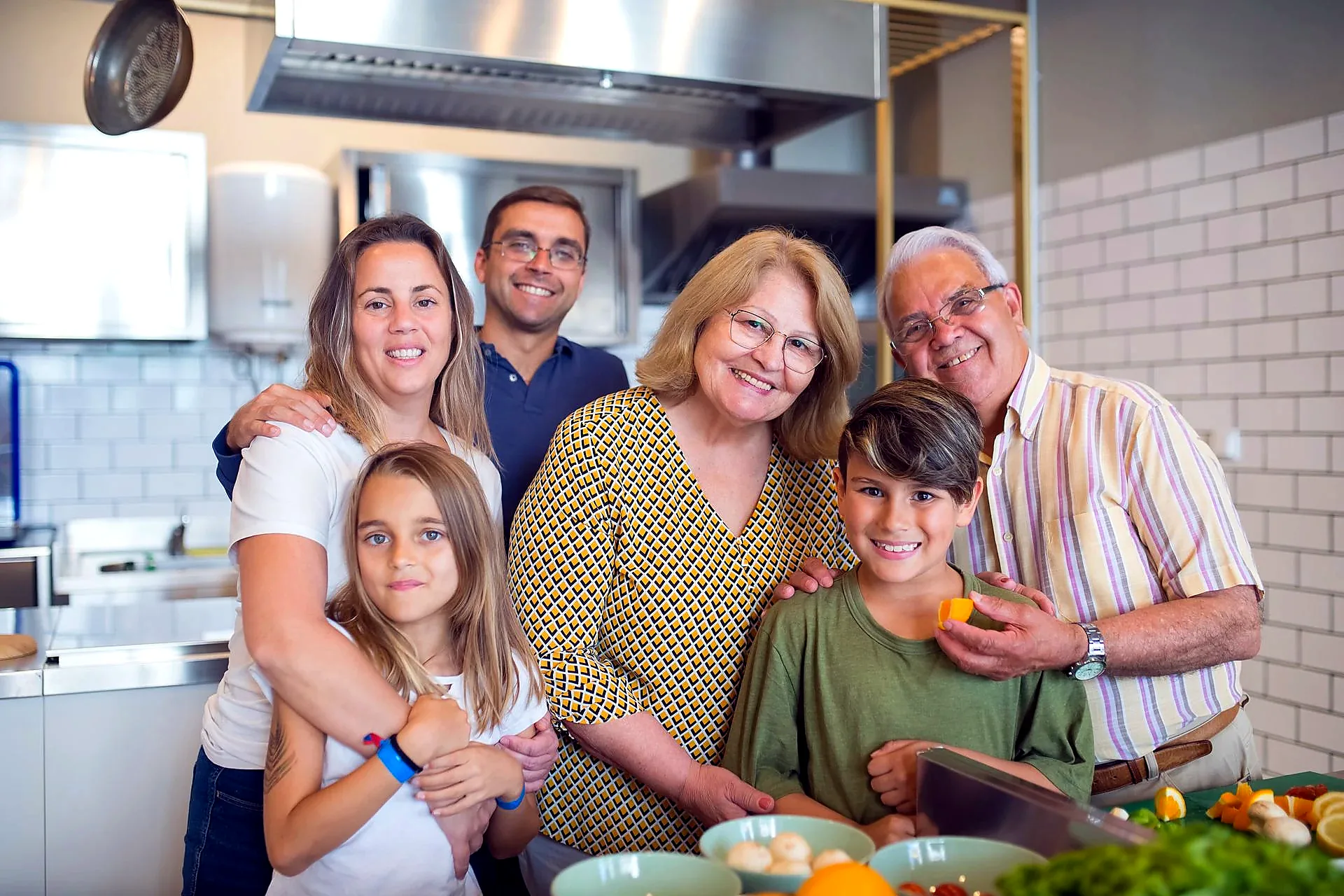
Seville with children requires more planning than Seville without them, primarily around the heat and the cobblestones. Both are manageable with the right approach.
The heat: In July and August, the Alcazar gardens at 9:30am and the Parque de María Luisa in the evening are the outdoor anchors. Midday is for air-conditioned spaces — the Cathedral interior, the Aquarium, the museums. The riverside walk works well from 7pm onward. Nothing outdoors between noon and 5pm without shade, water, and a plan to retreat to air conditioning.
The cobblestones: Santa Cruz’s narrow streets are largely cobbled. Strollers work but require effort. The riverside walk, the Parque de María Luisa, and the area around Plaza de España are all stroller-friendly. The Alcazar itself has some uneven terrain in the gardens; the main palace rooms are accessible.
What works best for children: The Alcazar gardens (fountains, maze, space to run), Plaza de España (the boat hire on the canal, the ceramic tile alcoves representing every Spanish province), the sunset cruise (one hour, outdoors, genuinely engaging), and the bike tour along the riverside route. Isla Mágica (the theme park) is a full-day commitment best suited to ages 6–14.
Budget Travel in Seville
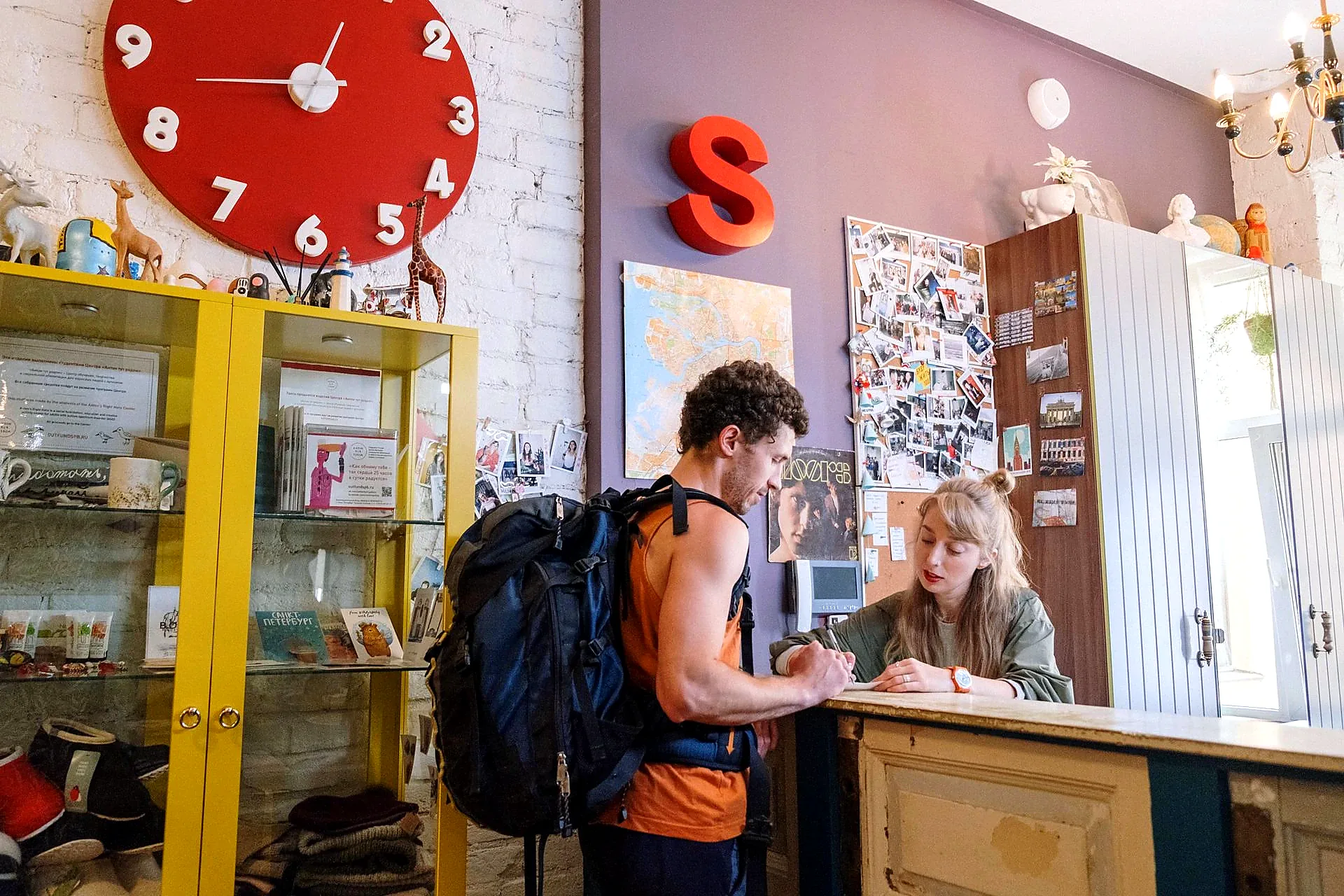
Seville is one of the most affordable major cities in Western Europe for visitors who eat where locals eat and use the free entry options available at major attractions.
Free entry options: Real Alcazar — Monday evenings (6pm–7pm summer, 4pm–5pm winter), requires advance booking. Seville Cathedral — Thursday afternoons 2:30pm–6pm, requires advance booking. Both are the complete experience at zero cost beyond the €1 booking fee.
Eating on a budget: Counter lunches at tapas bars run €11–16 per person for two or three dishes and drinks — this is not budget food in the compromise sense, it is the way locals eat and often the best food in the city. Breakfast at a local café (coffee and tostada with tomato and olive oil) costs €2.50–4.00. A glass of manzanilla costs €2.50–3.20.
Budget accommodation: The Alameda de Hércules area and Triana offer genuinely good budget accommodation at €60–90 per night — 20 minutes from the Alcazar on foot, with full access to the local bar and restaurant scene that the tourist-area hotels charge more for and deliver less of.
Free experiences: The walk through Santa Cruz at dusk costs nothing. The Triana bridge at sunset costs nothing. The orange blossom season in late March costs nothing. Some of the most specifically Sevillian experiences available are free.
Luxury Travel in Seville
Seville’s luxury market is anchored by a small number of experiences that genuinely justify premium pricing: the palace hotels with functioning Andalusian courtyards and rooftop pools, the private guided Alcazar tour with access to sections not open on the standard circuit, the private boat charter on the Guadalquivir at sunset, the hammam couples package with full kessa ritual, and the Bienal de Flamenco main venue tickets in September 2026.
The experiences in Seville that are worth paying more for share a common quality: they provide access or depth that is genuinely unavailable at standard prices. The palace hotel courtyard is not replicated in a mid-range hotel. The private Alcazar guide reads sections of the building that a group tour cannot stop for. These are real differences, not just premium marketing.
Remote Working from Seville
Seville has a genuinely good remote working infrastructure in the Alameda de Hércules area — a concentration of independent cafés with reliable WiFi, power sockets, and the kind of unhurried atmosphere that makes working from a café sustainable rather than stressful. The Alameda itself is the social hub of Seville’s younger local population, which means the cafés that work for remote workers are also the cafés where the city’s most interesting people drink their coffee.
The practical constraints: Seville’s heat in July and August makes midday travel between coworking spaces and accommodation uncomfortable. Air conditioning in the working space is essential. The city has no dedicated digital nomad infrastructure to speak of — the coworking scene is smaller than in Barcelona or Madrid — but the Alameda café circuit is sufficient for most remote working needs.
What Type of Visitor Are You?
Solo Travellers
Three to four days. Walking tour on the first morning. Counter lunches in Triana as the social anchor of each day. The small-group tapas tour for a social evening on day two. The Alcazar and Cathedral as solo-friendly experiences where the pace is entirely self-directed. Book in advance only for the Alcazar and any flamenco shows — everything else is walkable on arrival.
Families with Young Children
The Alcazar gardens first thing in the morning, Plaza de España mid-morning before the heat, lunch in air conditioning, the Cathedral or Aquarium in the early afternoon, riverside walk and sunset cruise in the evening. Avoid July and August with children under 8 if possible. Spring (April–May) and autumn (September–October) are the right seasons for family visits.
Budget Travellers
Book the Thursday free Cathedral entry and the Monday evening free Alcazar entry before anything else. Stay in the Alameda or Triana. Eat counter lunches at Triana tapas bars. Walk everywhere in the historic centre. The total cost of a genuinely good three-day Seville trip — free Cathedral, free Alcazar, counter lunches, one flamenco show, one sunset cruise — is under €200 per person.
Senior Travellers
The Giralda ramp (no stairs, continuous incline) is accessible for most mobility levels. The Alcazar ground floor and gardens are largely accessible with some uneven garden terrain. Avoid July and August — the heat is genuinely demanding for older visitors. October is the month most consistently recommended by senior visitors who have been to Seville more than once: mild, uncrowded, and the most generous light of the year.
Lucía’s Honest Overview
Seville is a city that accommodates very different types of visitor without asking any of them to compromise on the core experience. The solo traveller at the bar counter, the family at the Alcazar gardens, the couple on the sunset cruise, and the budget traveller eating the same solomillo al whisky for €4 less than the tourist-menu version two streets away — all of them are having a genuine Seville experience. The city is large enough and varied enough that none of these visits interrupts the others.
The common thread across all visitor types is the same: give the city more time than initially planned. Every type of visitor to Seville leaves wishing they had stayed another day. The ones who come back are the ones who know it.
FAQ
Is Seville good for solo travellers?
Yes — Seville is one of the most comfortable European cities for solo travel. The tapas bar culture is built around counter service rather than table dining, making solo eating entirely normal. The city is safe, walkable, and has a genuinely good small-group tour infrastructure for social experiences without social obligation.
Is Seville safe for solo female travellers?
Yes. Seville is a safe city for solo female travellers. The historic centre is well-lit and populated until late at night. Standard urban precautions are sufficient. The city does not present the street harassment issues found in some other southern European destinations.
Is Seville good for families with children?
Yes, with the right planning. The Alcazar gardens, Plaza de España, the sunset cruise, and the bike tour are the most consistently family-successful experiences. The heat in July and August requires careful management — early mornings and evenings outdoors, air conditioning during the midday hours. Spring and autumn are the best seasons for family visits.
How much does a week in Seville cost on a budget?
A genuinely comfortable budget week in Seville — budget hotel in the Alameda or Triana, counter lunches, free Alcazar and Cathedral entries on their respective free days, one flamenco show, one sunset cruise — runs approximately €500–700 per person for seven days including accommodation. The city’s free entry options and counter lunch culture make genuine quality accessible at real budget prices.
Is Seville LGBTQ-friendly?
Yes. Seville is one of the more LGBTQ-friendly cities in Spain. The Alameda de Hércules area is the social centre of Seville’s LGBTQ community, with a concentration of bars and a genuinely open atmosphere. Same-sex couples are visible and unremarked upon throughout the city, including in the tourist areas and the historic centre.
Can I work remotely from Seville?
Yes. The Alameda de Hércules area has the best concentration of independent cafés with reliable WiFi and a working-friendly atmosphere. The city does not have a large dedicated coworking infrastructure but the café scene in the Alameda is sufficient for most remote working needs. Air conditioning in the working space is essential from May to September.
Is Seville accessible for visitors with mobility considerations?
The Giralda tower climb is via a continuous ramp — no stairs — making it accessible for most mobility levels. The Alcazar ground floor and main rooms are largely accessible; the gardens have some uneven terrain. The Cathedral has ramp access. The narrow cobbled streets of Santa Cruz present challenges for wheelchairs and strollers; the riverside walk, Parque de María Luisa, and the Alameda area are significantly more accessible.
Related Posts
- Solo Travel in Seville: What the City Feels Like When You Are on Your Own
- Seville for Solo Female Travellers 2026: Safety, Comfort and What to Know
- Seville With Kids: The Experiences That Work and the Ones That Exhaust Everyone
- Seville on a Budget 2026: What 7 Days Costs When You Do It Like a Local
- Luxury Travel in Seville 2026: The Experiences Worth Spending More On
- Slow Travel in Seville: A Week of Mornings in Triana and Afternoons in the Shade