Alcazar Guided Tour vs Self-Guided Visit: What Having a Guide Actually Changes
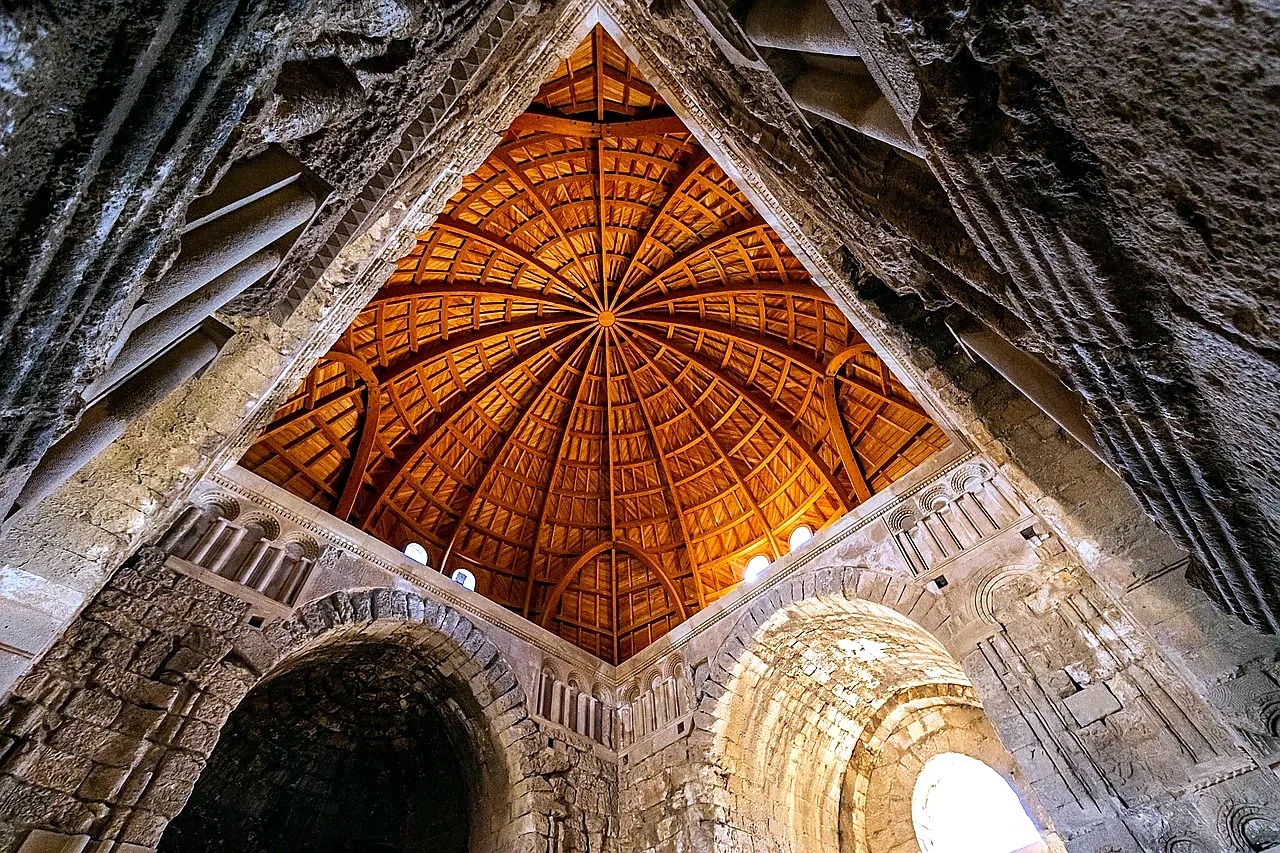
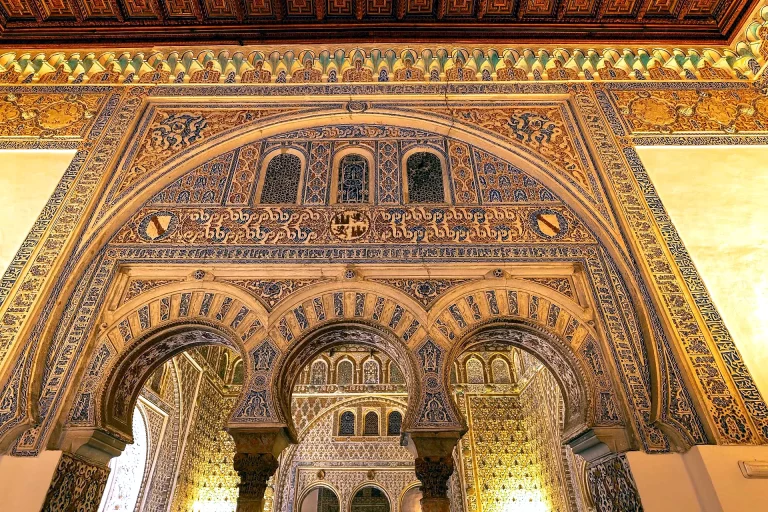
The Real Alcazar was built in 1364 by a Christian king using Muslim craftsmen. This is not a decorative detail — it is the central fact of the building, and understanding it changes what every room, every tile pattern, and every carved arch communicates. A self-guided visit to the Alcazar without this context sees a beautiful palace. A guided visit begins to see why the palace is what it is, and what it meant to be built by the person who commissioned it at the moment in history when it was built. This is what having a guide actually changes.
What a Self-Guided Visit Provides
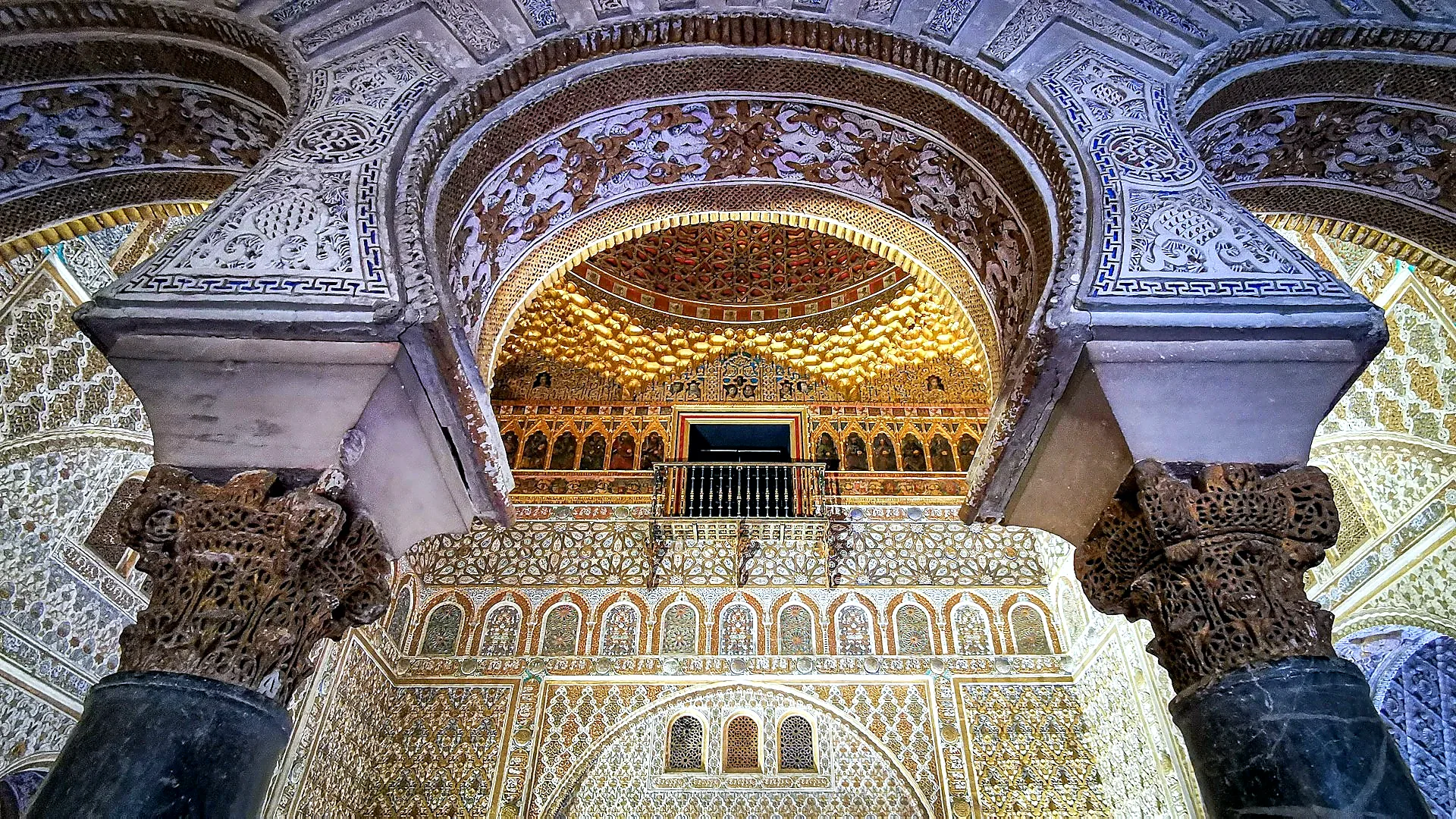
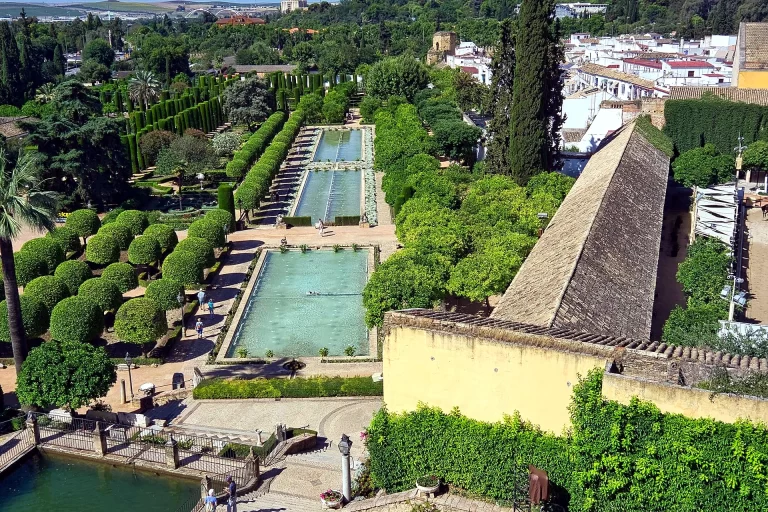
A self-guided visit to the Real Alcazar — with or without the audio guide — gives full access to the palace circuit and gardens at a visitor’s own pace. The advantages are genuine: complete flexibility on timing, the ability to spend an hour in a single courtyard if the inclination arises, no group to keep pace with, and the freedom to return to a room that deserved more time on the first pass.
A prepared self-guided visitor — one who has read about the building before arriving, who knows which rooms are most architecturally significant and what makes them so — can have a visit that is as intellectually rich as any guided tour. The preparation takes approximately 90 minutes of reading before the visit. The payoff is the ability to stand in the Salón de Embajadores knowing what the cedar dome is representing and why it is there.
The honest limitation of the self-guided visit: most visitors do not do this preparation. And without it, the Alcazar is experienced as a series of beautiful rooms without the connecting narrative that makes the building cohere as a single historical statement.
What a Guided Tour Provides
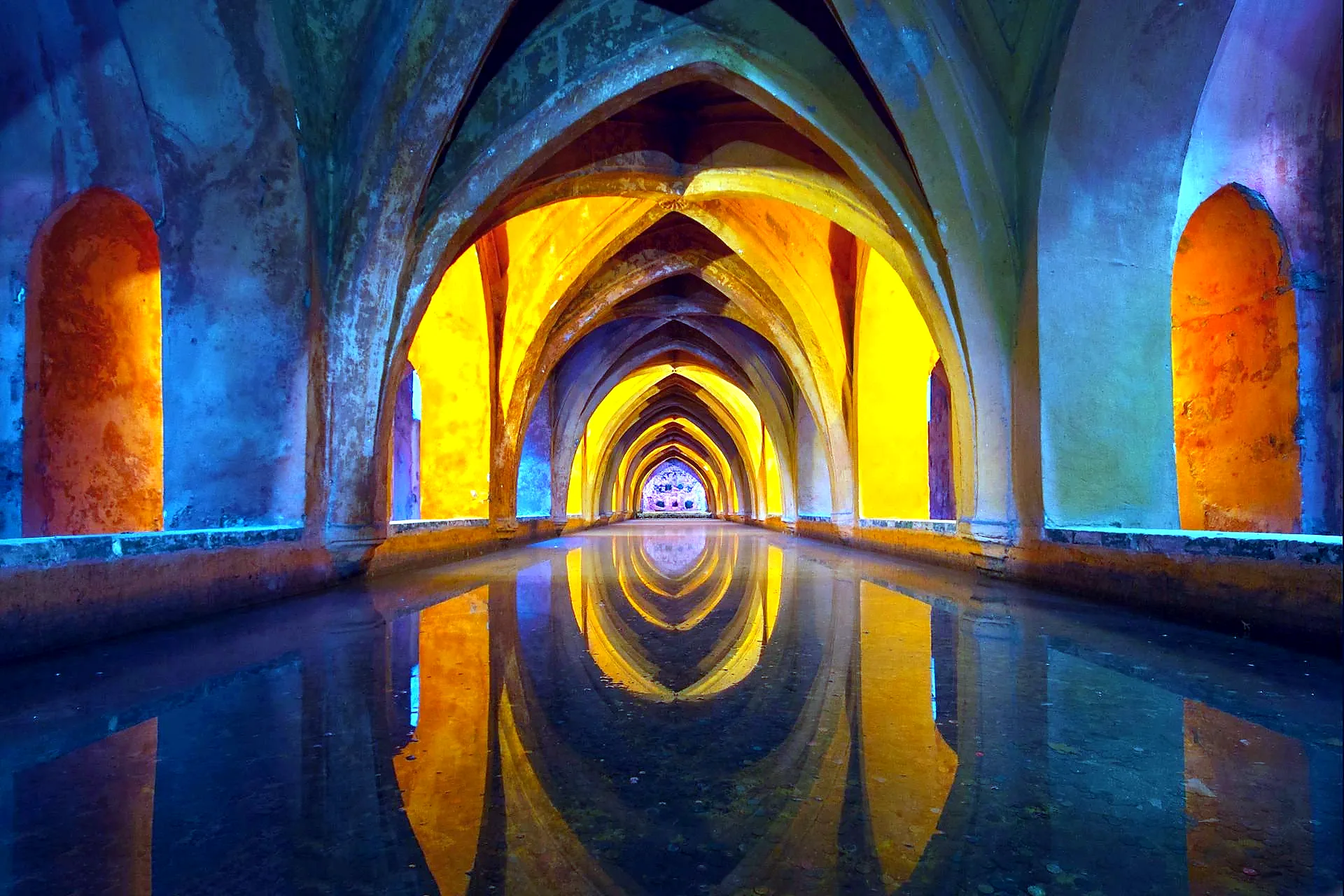
A specialist guide at the Real Alcazar provides the connecting narrative in real time — at the specific room, in front of the specific detail, at the moment when the visitor is looking at the thing being explained. This is the fundamental advantage of a guided tour over any preparatory reading: the explanation arrives at the moment of observation, not before or after it.
The specific moments where a guide makes the most difference:
The Patio de las Doncellas
The guide explains why the geometric interlace on the lower walls uses a twelve-pointed star as its foundational unit — a pattern from the Islamic mathematical tradition that the Muslim craftsmen from Granada and Toledo brought to Seville. Standing in the courtyard with this explanation active, the pattern becomes readable rather than decorative. A visitor who returns to the Alcazar without a guide on a second visit will see the pattern where they previously saw ornament.
The Salón de Embajadores
The guide explains the cedar dome — 8,017 interlocking pieces in a pattern representing the seven Islamic heavens — and why a Christian king would want the Islamic cosmological representation of heaven above his throne room. The political calculation (impressing Muslim ambassadors and demonstrating cultural mastery) changes what the ceiling means. Without this context, the dome is visually extraordinary. With it, it becomes politically legible.
The Patio de las Muñecas
The guide knows exactly which archway base contains the two carved faces — the detail the audio guide describes but cannot point to. This sounds minor until a visitor has spent ten minutes at the wrong arch without finding them. The guide leads directly to the right arch and the two tiny faces immediately become visible.
The Upper Gallery
Many self-guided visitors miss the upper gallery entirely — the staircase in the corner of the Patio de las Doncellas is easy to overlook when the main visual draw is the courtyard itself. A guide takes the group up the stairs as part of the standard circuit, giving a view of the courtyard from above that most visitors never see.
✦ LUCÍA’S LOCAL TIP
The most significant practical difference between a guided tour and a self-guided visit at the Alcazar is not the information — it is the completeness of the circuit. A guided tour covers every significant section of the palace including rooms and perspectives that self-guided visitors routinely miss: the upper gallery, the Patio de las Muñecas approached from the correct direction, the Cuarto del Almirante in its full context. The guide ensures nothing is skipped by accident.
The Comparison
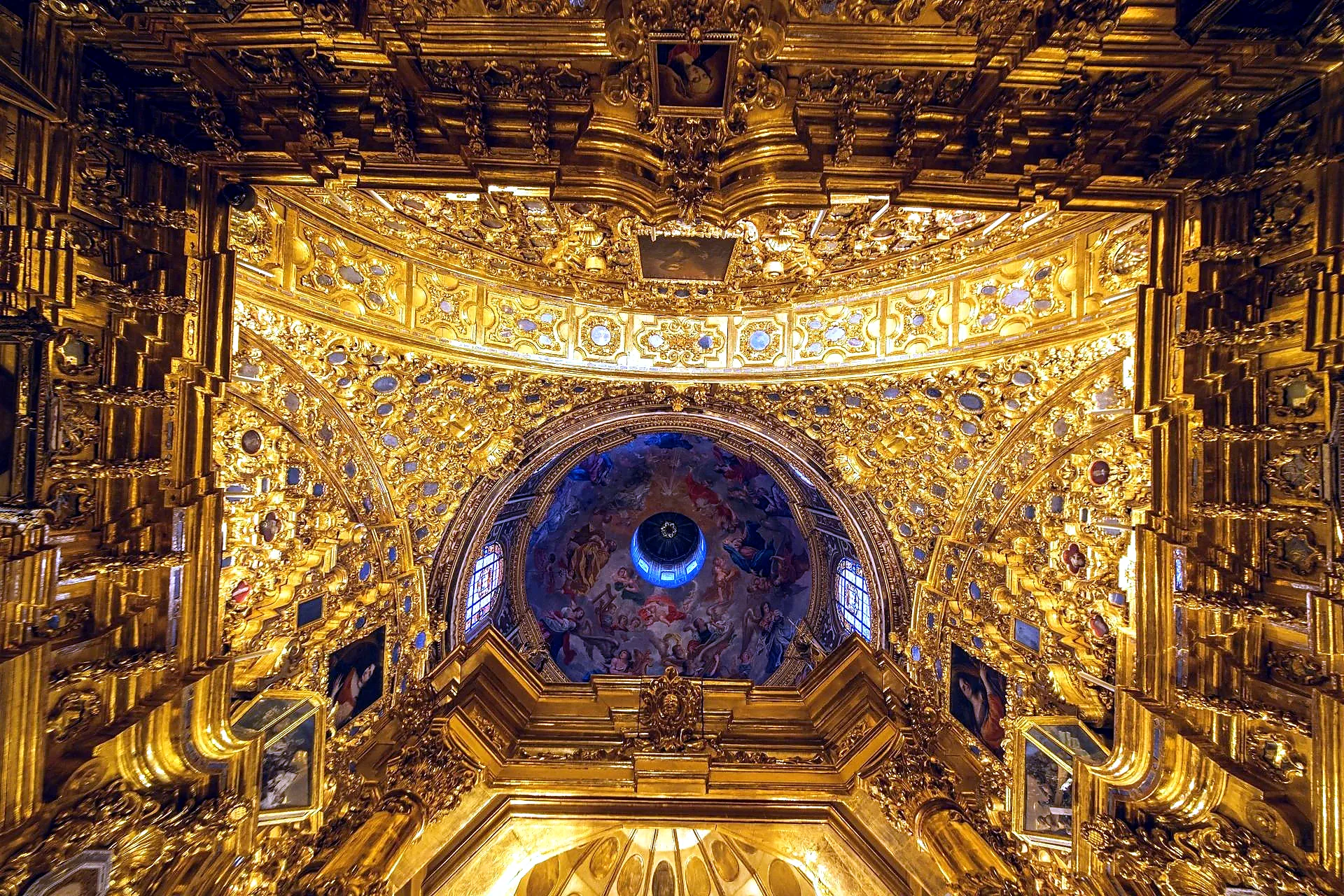
| Factor | Self-Guided | Guided Tour |
|---|---|---|
| Price | €16.50 (entry + booking fee) | €35–55 (entry usually included) |
| Flexibility | Complete — own pace, own order | Group pace, guide’s sequence |
| Context | Preparation-dependent | Provided in real time |
| Circuit completeness | Variable — easy to miss sections | Complete — guide covers all rooms |
| Duration | 2–4 hours (visitor-determined) | 1.5–2.5 hours (guide-determined) |
| Group size | Individual or own group | Typically 8–12 |
| Second visits | Often better than first | Less necessary — first visit thorough |
Lucía’s Verdict
First visit: guided tour, if budget allows. The Alcazar is one of the most architecturally complex buildings in Spain, and the investment in a specialist guide on a first visit converts the building from beautiful to legible. The €35–55 premium over a standard entry ticket is the cost of understanding what the building is actually saying.
Return visit: self-guided. The building is already familiar; the guide has already provided the interpretive framework. A return visit benefits from the freedom to spend thirty minutes in the Salón de Embajadores if the dome demands it, and fifteen minutes in the Patio de las Muñecas looking for the carved faces without the group’s pace as a constraint.
Budget constraint: audio guide + preparation. Reading the Mudéjar architecture post and the History of the Real Alcazar post before the visit, then using the audio guide for room-by-room navigation, produces a visit that approaches the guided tour depth at a fraction of the cost. The preparation takes 90 minutes; the benefit lasts the duration of the visit.
“The guided tour at the Alcazar earns its premium on a first visit in a way that guided tours at many other monuments do not. The building is complex enough that what a specialist guide provides is genuinely unavailable through any other means during the visit itself — not through the audio guide, not through a map, not through standing in front of the right panel and reading its description. The interpretation arrives at the right moment or it does not arrive.”
FAQ
Is a guided tour worth it at the Real Alcazar?
For most first-time visitors, yes. The Alcazar’s architectural complexity — Moorish foundations, 14th-century Mudéjar commission, Renaissance additions — requires context to be fully readable. A specialist guide provides that context in real time, in the room, in front of the specific detail being explained. The premium over self-guided entry (€35–55 vs €16.50) converts the building from beautiful to legible.
Can I visit the Alcazar without a guide?
Yes — a self-guided visit is entirely valid. The audio guide (€6.00) improves on no guide by providing room-by-room navigation and basic historical context. Visitors who prepare by reading about the building before arriving can have a rich self-guided visit. The most common risk of a self-guided visit is missing significant rooms — the upper gallery, the Patio de las Muñecas correctly approached — that a guided tour covers as standard.
What does a guide add at the Alcazar that an audio guide does not?
A guide provides real-time interpretation — explaining what specific features mean, not just what they are. The most significant additions: the political context of Pedro I’s Mudéjar commission, the meaning of the geometric patterns in Islamic mathematical tradition, the location of the carved faces in the Patio de las Muñecas, and the upper gallery staircase that most self-guided visitors miss. A guide also manages the circuit, ensuring all significant rooms are covered.
Related Posts
- Real Alcazar Seville 2026: Tickets, Skip-the-Line Tours and Complete Visitor Guide
- Alcazar Audio Guide vs Guided Tour: Which One Actually Shows You More
- Mudéjar Architecture in the Alcazar: The Tile Detail Most Visitors Walk Past
- History of the Real Alcazar: What Each Courtyard Was Actually Built For
- Best Tours in Seville 2026: Walking Tours, Bike Tours, Night Tours and Local Workshops
- Real Alcazar Tickets 2026: How to Book, What It Costs and Why They Sell Out Fast