Real Alcázar vs Alhambra: Which Moorish Palace Is the Better Visit?
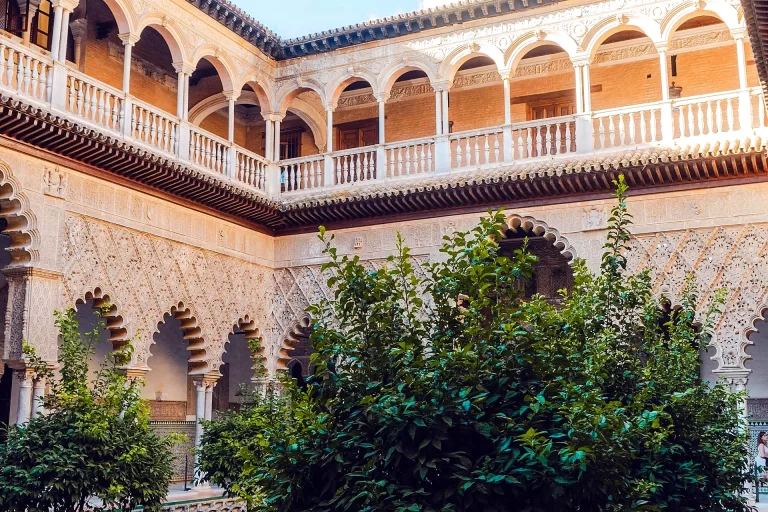
Standing in the Alhambra’s Nasrid Palaces for the first time, in the Court of the Lions, there is a moment where the geometry of the carved stucco ceiling stops making sense as decoration and starts reading as something else — a map of something, an argument in plasterwork. Standing in the Patio de las Doncellas at the Alcázar in Seville the following morning, the sensation is related but different: similar vocabulary, different sentence. The question of Real Alcázar vs Alhambra — which Moorish palace is the better visit — is one the site genuinely cannot answer in the abstract. But this post will give a clear recommendation, and the reasons behind it, so the choice becomes easier.
What Each Palace Actually Is
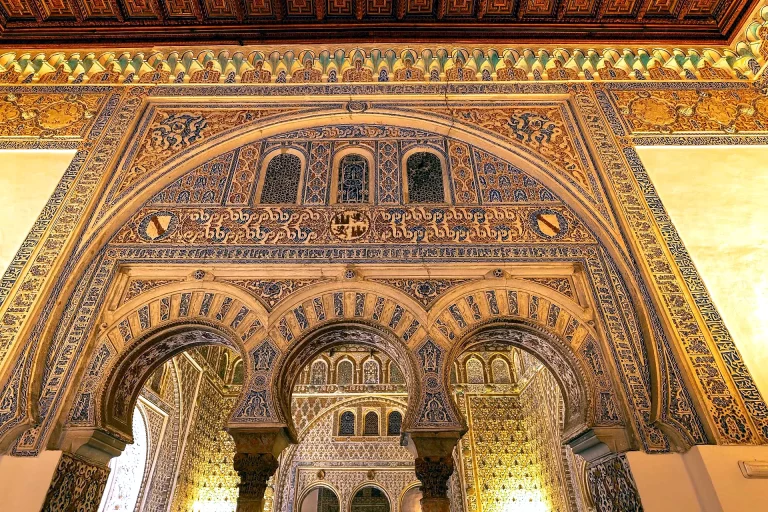
The Real Alcázar in Seville is a working royal palace — the Spanish royal family still uses the upper apartments during official visits to Andalusia — built in layers across more than a millennium. Its most celebrated sections are the Mudéjar rooms commissioned by Pedro I of Castile in 1364, who employed Islamic craftsmen from Granada and Toledo to create a palace in the Islamic style. The result is a Christian king’s palace built in the architectural language of the Muslim kingdoms — a deliberate act of cultural appropriation that produced some of the finest Mudéjar work anywhere in Spain. Full context available in the Real Alcázar pillar guide.
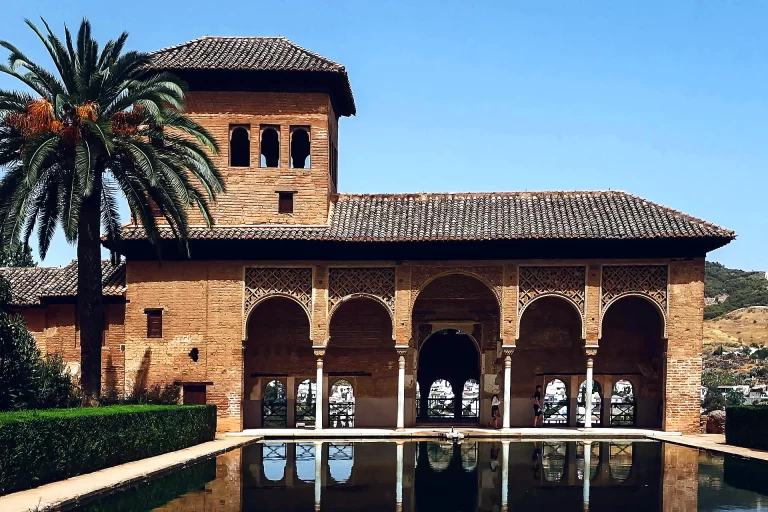
The Alhambra in Granada is the palace complex of the Nasrid sultans, built primarily in the 13th and 14th centuries and representing the peak of Moorish architecture in the Iberian peninsula. Unlike the Alcázar, it was built as a Muslim palace and remained so until the Catholic Monarchs took Granada in 1492. The Nasrid Palaces — the section requiring a timed entry slot — are the most visited part, but the complex also includes the Generalife gardens and the Renaissance Palacio de Carlos V, which was added after the Reconquista and stands in deliberate architectural contrast to everything around it.
The Real Alcázar: What It Offers
The Alcázar’s great advantage is accessibility — both geographically and experientially. It sits in the centre of Seville, reachable on foot from any old town hotel, open from 9:30am, and the gardens extend the visit in a way that requires no further logistics. The palace itself is divided into navigable sections that can be absorbed at different speeds; the gardens, particularly in spring, are a separate experience worth ninety minutes alone.
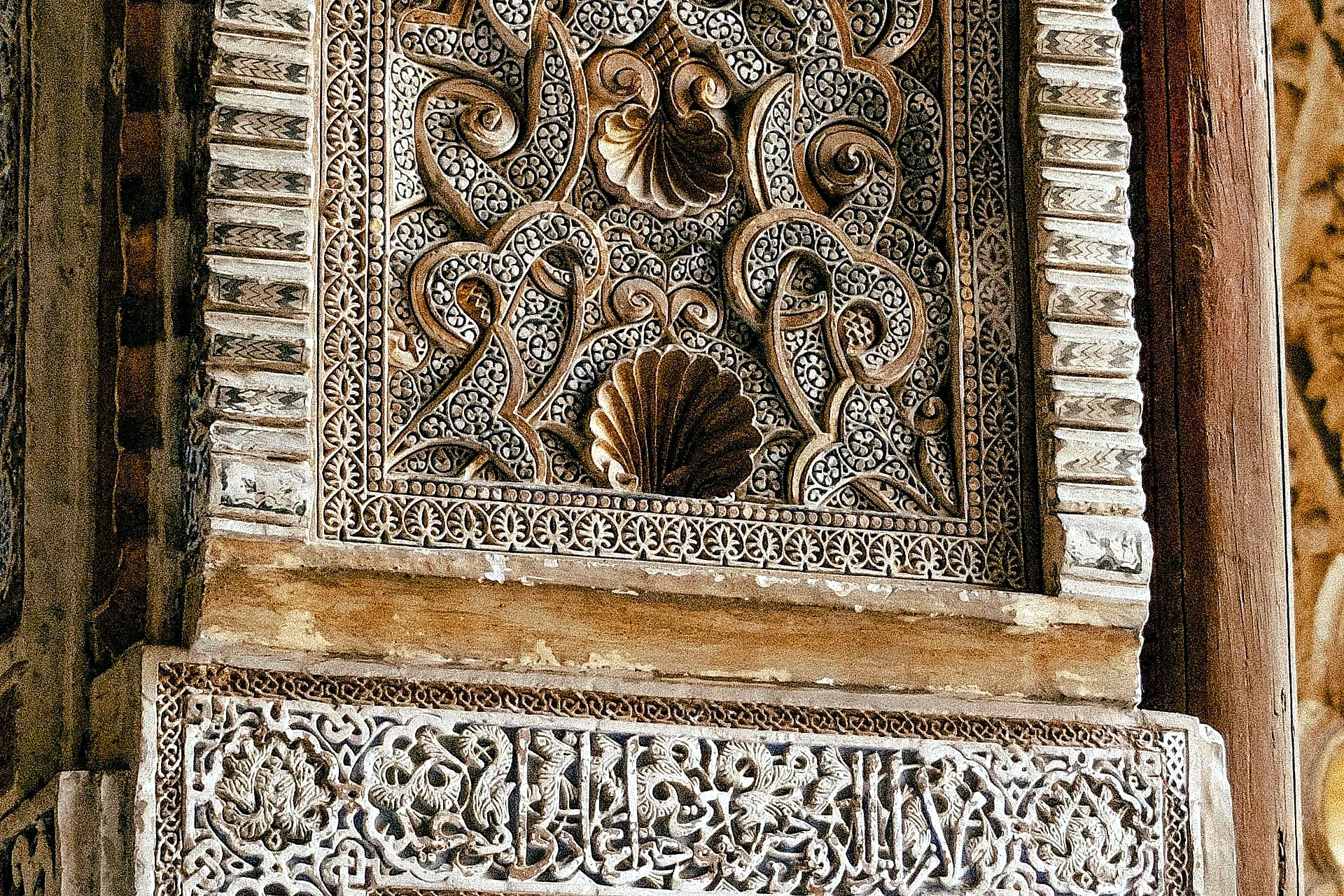
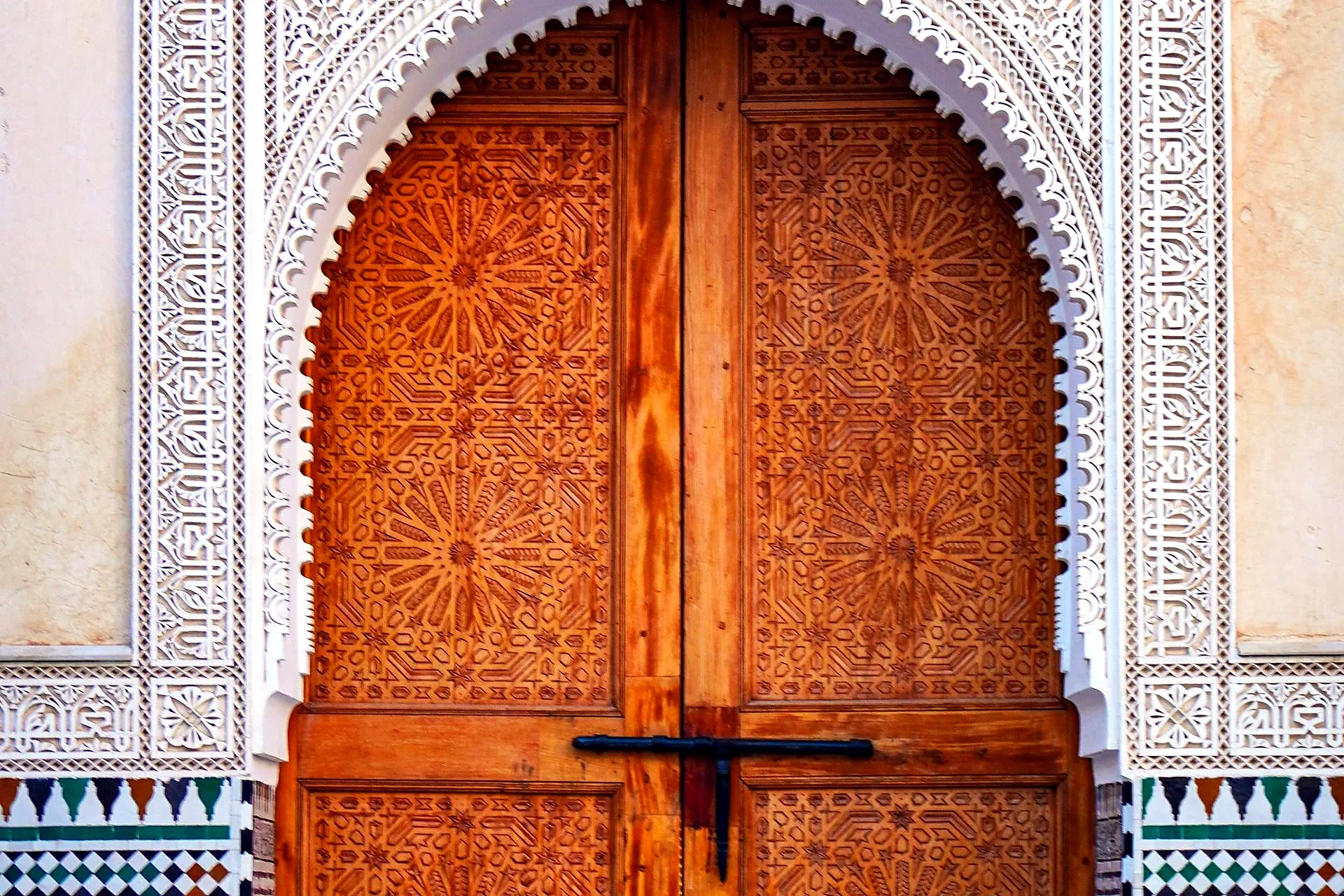
Architecturally, the Alcázar rewards visitors who understand what they are looking at. The tile work in the Patio de las Doncellas — the geometric interlace using a twelve-pointed star as its foundational module — is among the most refined Mudéjar tilework in existence. The carved stucco in the Salón de Embajadores uses an intricate muqarnas ceiling that is genuinely comparable to sections of the Alhambra’s Nasrid Palaces. The Alcázar is not a lesser version of the Alhambra; it is a related tradition expressed through a different commission and a different intention.
✦ LUCÍA’S LOCAL TIP
The Alcázar ticket costs €16.50 online (€15.50 + €1 fee) and the Cuarto Real Alto add-on opens the current royal apartments for an additional €5.50. The upper apartments are worth booking in advance — availability is limited and this section is genuinely different from the main palace in atmosphere and detail. Book both when securing the main ticket.
One honest limitation: the Alcázar has absorbed significant tourist infrastructure over the years. The queuing systems, the gift shop at the exit, the visible restoration work on some sections — the experience is managed in a way that the Alhambra, paradoxically, handles better despite being more visited.
The Alhambra: What It Offers
The Alhambra is harder to reach, harder to book, and more expensive (combined ticket approximately €19.19, with the Nasrid Palaces slot selling out weeks ahead in high season). It is also, for visitors with the patience to plan it properly, among the most extraordinary architectural experiences in Europe.
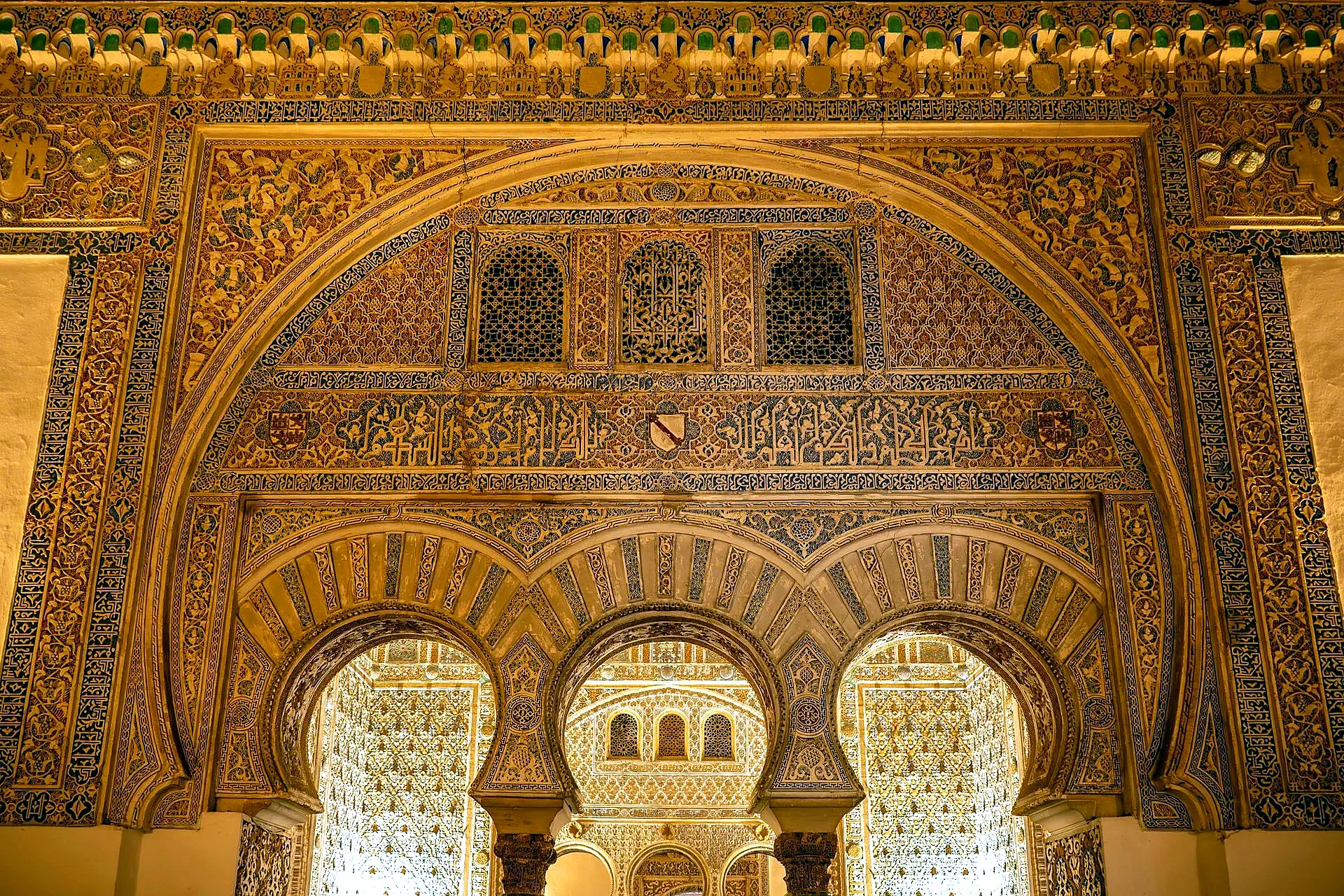
The Nasrid Palaces are the reason most people make the journey. The Court of the Myrtles, the Hall of the Ambassadors, the Court of the Lions — each operates at a level of architectural refinement that stops conversation. The carved stucco in the Hall of the Two Sisters uses a muqarnas dome of approximately 5,000 individual cells, constructed in the 14th century without modern engineering tools. The water systems throughout the complex — channels set at precise gradients to create specific sounds — represent hydraulic engineering that modern engineers study. The Generalife gardens, seen after the palaces, extend the experience into a completely different register: terraced gardens on a hillside above the city with views back down toward Granada.
✦ LUCÍA’S LOCAL TIP
The Alhambra from Seville requires planning the train separately (RENFE AVANT only from Seville — approximately 2 hours to 2 hours 15 minutes, €40–65 return). The Nasrid Palaces timed slot must be booked through the official Alhambra patronato site — not through third-party aggregators for the base ticket. Guided day tours from Seville (€120–160 all-in) handle all of this and include the entry — worth considering for first-time visitors who want the context without the logistics.
One honest limitation: the Alhambra’s popularity creates genuine crowd pressure in the Nasrid Palaces. Timed entry slots stagger visitors, but the most photographed spaces — the Court of the Lions, the Hall of the Two Sisters — still see significant traffic. The experience is manageable but not intimate in the way that some sections of the Alcázar can be.
The Comparison: What Actually Matters
Cost: Alcázar €16.50 online. Alhambra combined ticket approximately €19.19. Both are reasonable; the Alhambra requires additional train or tour costs from Seville (€40–65 return train, or €120–160 for a guided day tour).
Booking difficulty: The Alhambra Nasrid Palaces timed slots are significantly harder to secure — weeks ahead in spring and summer. The Alcázar morning slots sell out but are generally more available with one to two weeks’ notice.
Architectural depth: The Alhambra represents the pinnacle of Nasrid architecture and has no true equivalent anywhere in the world. The Alcázar is exceptional Mudéjar work — related tradition, slightly later commission, different patron — and comparable in quality to the finest Mudéjar buildings in Spain, which are almost all in Seville and Toledo.
Time required: Alcázar: two to two and a half hours for palace and gardens. Alhambra: a full day from Seville including travel, allowing three to four hours on site.
Who it suits: The Alcázar suits visitors in Seville who want to understand the Islamic architectural layer that runs through the city. The Alhambra suits visitors who can give a full day and want to see the Moorish palace tradition at its absolute peak.
Lucía’s Verdict
For most travelers visiting Seville: visit the Alcázar, and if time allows, add a day trip to Granada for the Alhambra. The two are not substitutes — they are the same tradition expressed at different scales and through different commissioners. Seeing both in the same trip changes how both are understood.
If only one is possible: the Alhambra is the more singular experience. There is nothing like the Nasrid Palaces anywhere else in the world. The Alcázar is remarkable and the finest Mudéjar building accessible in a city visit, but the Alhambra is in a category of its own. For a traveler with one opportunity to choose between them and no other constraints, the Alhambra is the answer.
The practical reality, however, is that most people reading this are already in Seville or planning to be. The Alcázar is there. Book it early, take the full morning, read what you are looking at — and then, if the trip allows, take the train to Granada.
“The Alcázar is the one I take every friend to first, because it is there — in the city, on the first morning, already worth the visit. The tile work in the Patio de las Doncellas is the introduction to a visual language that the Alhambra then develops to its fullest expression.”
→ [GYG: Book your Real Alcázar skip-the-line ticket here]
“If you have a free day from Seville and the Nasrid Palaces slot is available, the Alhambra earns every logistical effort it takes to get there. The guided day tour from Seville handles the planning and adds context that changes what you see.”
FAQ
Is the Real Alcázar better than the Alhambra?
The Real Alcázar vs Alhambra comparison is genuinely close — both are among the finest examples of Moorish-influenced architecture in Europe. The Alhambra is the more singular experience; nothing else replicates the Nasrid Palaces. The Alcázar is the more accessible visit from Seville and still exceptional in its own right. If only one is possible, the Alhambra edges ahead for architectural depth.
Which should I visit if I only have one day?
If already based in Seville with one day for palaces: visit the Alcázar. If making a dedicated day trip from Seville with the specific goal of seeing Moorish architecture at its peak: go to Granada for the Alhambra. The two answer different questions about the same architectural tradition.
Can I visit both in the same trip?
Yes, and the trip is richer for it. The Alcázar on arrival in Seville, then a day trip to Granada for the Alhambra — the architectural conversation between them is one of the most interesting the region offers. Seeing them in sequence within a week changes what each one means.
Which is harder to book?
The Alhambra Nasrid Palaces timed slot is significantly harder to secure, particularly in spring and summer — booking three to four weeks ahead is recommended. Alcázar morning slots in peak season sell out one to two weeks ahead. Both require advance planning; neither should be left to last-minute.
Which is better for architecture enthusiasts?
Architecture enthusiasts should visit both, in this order: Alcázar first for the Mudéjar tradition and the layered history of a building that changed hands and intentions across centuries; Alhambra second for the Nasrid tradition at its peak. Together they form a complete picture of the Islamic architectural heritage of Andalusia.
Related Posts
- Real Alcázar Seville: Tickets, Skip-the-Line Tours and Complete Visitor Guide
- Real Alcázar Tickets 2026: How to Book, What It Costs and Why They Sell Out Fast
- Alhambra Tour from Seville 2026: Why the Nasrid Palaces Slot Sells Out Weeks Ahead
- Granada Day Trip from Seville 2026: What to Book, When to Go and Why It Sells Out
- Alcázar vs Seville Cathedral: Which One Deserves More of Your Day?