Seville Local Life and Culture 2026: Neighbourhoods, Photography and City Comparisons
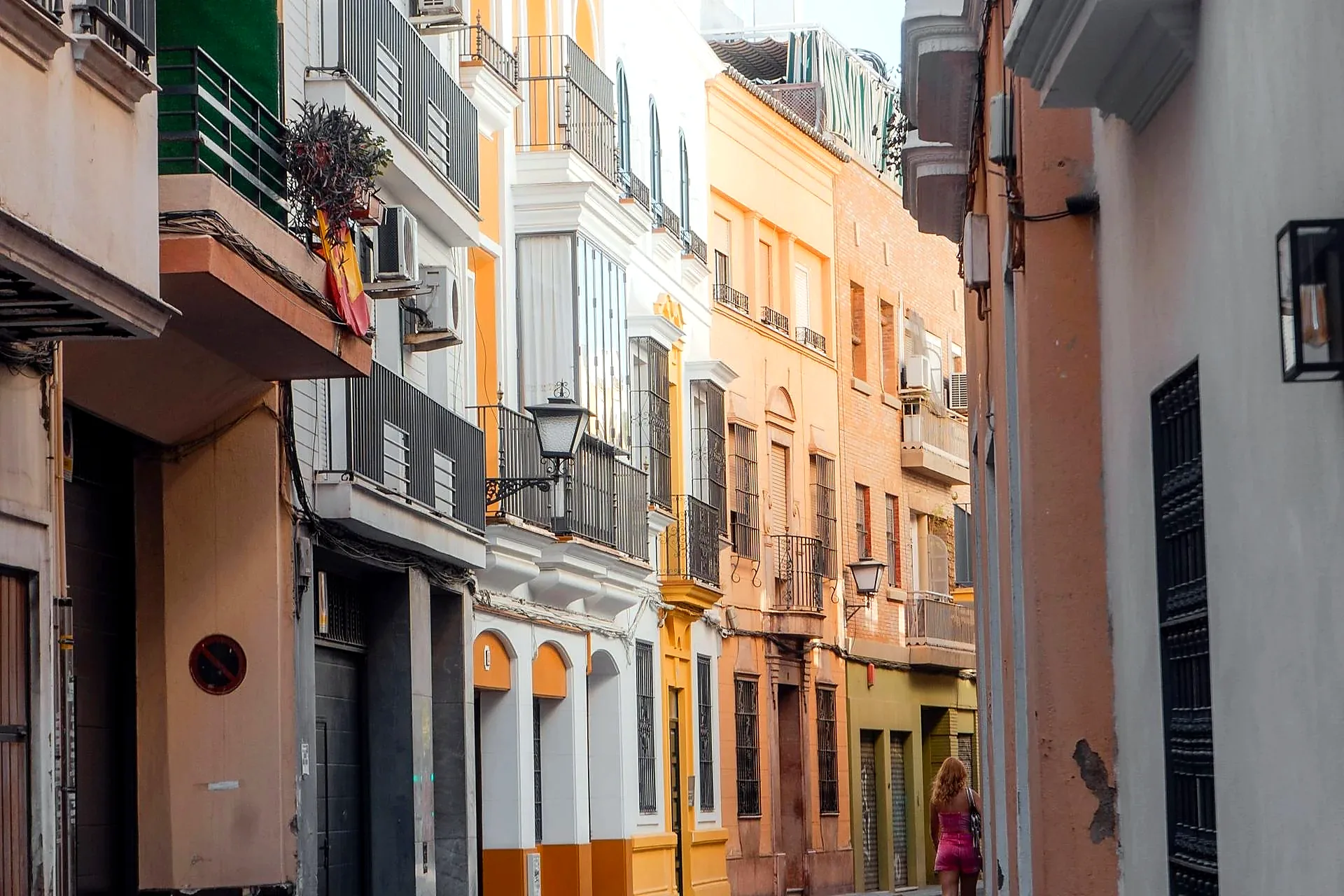
The Sunday morning in Seville that most visitors never see: the Mercado de Triana at 8:30am before the tourist flow starts, the sound of market vendors across the stalls, the smell of fresh fish and coffee from the bar at the entrance. By 10am it is a different place. This pillar exists for visitors who want to understand Seville beyond the Alcazar and the Cathedral — the neighbourhoods, the social rhythms, the visual language of the city, and how it compares to the Andalusian cities that compete for the same itinerary days.
What This Guide Covers
This pillar brings together the cultural depth layer of seville.guide — neighbourhood character guides, local customs, photography spots, shopping, and city comparisons. The guides below form the EEAT authority layer that protects the site against algorithm updates and cannot be replicated from training data alone.
Neighbourhoods
- Triana Neighbourhood Seville: History, Character and Why It Still Feels Different
- The Barrios of Seville: What Each Neighbourhood Was and What Survived
- Seville Hidden Courtyards: The Private Architecture Behind the City Doors
Local Culture & Customs
- Local Customs and Etiquette in Seville: What Visitors Get Wrong Without Knowing It
- What Sevillanos Do on Sundays: The Rhythm of a Local Rest Day
- How Locals Use Plaza de España: What the Space Is For When the Tourists Leave
- Seville After Dark: What the City Looks Like After 10pm
- Why Seville Day Starts Late: The Social Logic Behind the Schedule
- Azulejo Tiles in Seville: What They Are Saying and Where to Find the Best Ones
Shopping
- Where to Shop in Seville: The Good Buys and the Tourist Traps to Avoid
- Flamenco Dress Shops in Seville: Where the Real Ones Are Still Made
- Best Souvenirs from Seville: What Is Worth Buying and What to Leave Behind
- Shopping in Triana Seville: Ceramics, Fabric and the Shops That Outlasted Tourism
Photography
- Best Photography Spots in Seville: Where the City Looks Like It Should
- Seville Golden Hour Photography: Where to Wait and What You Are Waiting For
- Night Photography in Seville: What the City Looks Like After Midnight
- Plaza de España Photography Seville: The Angles That Work and the Ones Everyone Takes
- Best Rooftops for Photography in Seville: What You See and When to Go Up
Filming Locations
- Game of Thrones Filming Locations in Seville: Where the Scenes Were Actually Shot
- Star Wars Filming Locations in Seville: The Alcazar Scenes Explained On Location
- Lawrence of Arabia Filming Sites in Seville: What Remains 60 Years Later
City Comparisons
- Seville vs Granada 2026: Which Andalusian City Is Worth More of Your Trip?
- Seville vs Córdoba 2026: What Each City Does That the Other Simply Cannot
- Seville vs Malaga: Which Southern Spain City Should You Choose?
- Seville vs Lisbon: Which Atlantic Capital Makes the Better Trip?
- Barcelona vs Seville: Two Cities That Feel Like Different Countries
- Seville vs Madrid: What Each City Offers That the Other Does Not
The Neighbourhoods: What Each One Was and What Survived
Triana
Triana is the neighbourhood on the west bank of the Guadalquivir — separated from the historic centre by the river and by a sense of identity that has resisted absorption for centuries. It was the neighbourhood of the potters, the sailors, the Roma communities most central to the development of flamenco, and the workers of the riverside industries. The ceramic workshops are still here — Triana azulejos tile the buildings of Seville and have done for five centuries. The peñas flamencas are still here. The market is still here. The neighbourhood has been discovered by visitors, but it has not yet been remade for them in the way Santa Cruz has been.
Macarena
Macarena is the working-class neighbourhood north of the historic centre — named for the Basílica de la Macarena and the Virgin whose procession is the emotional centre of Semana Santa. The neighbourhood has the longest surviving section of Seville’s original Roman and Moorish walls, a genuine local market, and the kind of unreconstructed neighbourhood character that parts of Triana are beginning to lose.
Alameda de Hércules
The Alameda is a long tree-lined boulevard — reportedly the first public promenade in Europe, created in 1574 — that functions as the social hub of Seville’s younger local population. The bars are independent rather than chain, the clientele is local rather than tourist, and the atmosphere on a Thursday or Friday evening is closer to the city that Sevillanos actually inhabit than anything in Santa Cruz.
✦ LUCÍA’S LOCAL TIP
The azulejo tiles of Seville are not decoration — they are a visual language. The geometric patterns on the lower walls of the Alcazar’s Patio de las Doncellas use a twelve-pointed star as their foundational unit. The same unit reappears on the benches of Plaza de España, on the facades of Triana’s ceramic shops, and on the floors of the Cathedral chapter house. Once the twelve-pointed star is identified, it is impossible not to find it everywhere. This is the detail most visitors walk past and most guides do not mention.
Local Culture: What Visitors Get Wrong
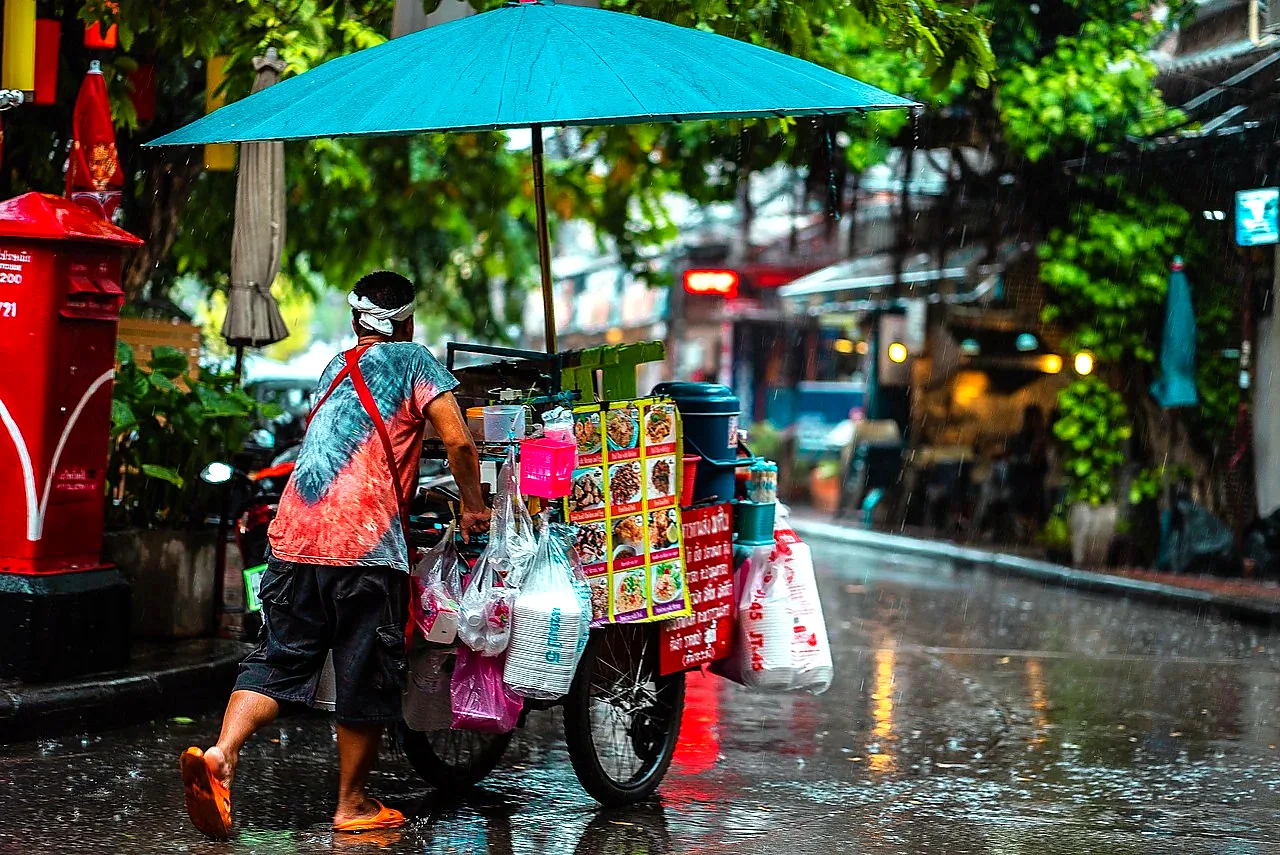
The meal schedule: Breakfast 8am–10am. Lunch 2pm–4pm. Dinner 9pm–11pm. Arriving at a tapas bar at 7pm means the kitchen is between services. The bar counter: Standing at the bar is not a compromise — it is the correct position. The freshest dishes come from the counter, not the table. Semana Santa: Not a tourist spectacle — a religious observance that Sevillanos have maintained for centuries. Visitors are guests at something that does not exist for their benefit.
Photography: The Light and the Timing
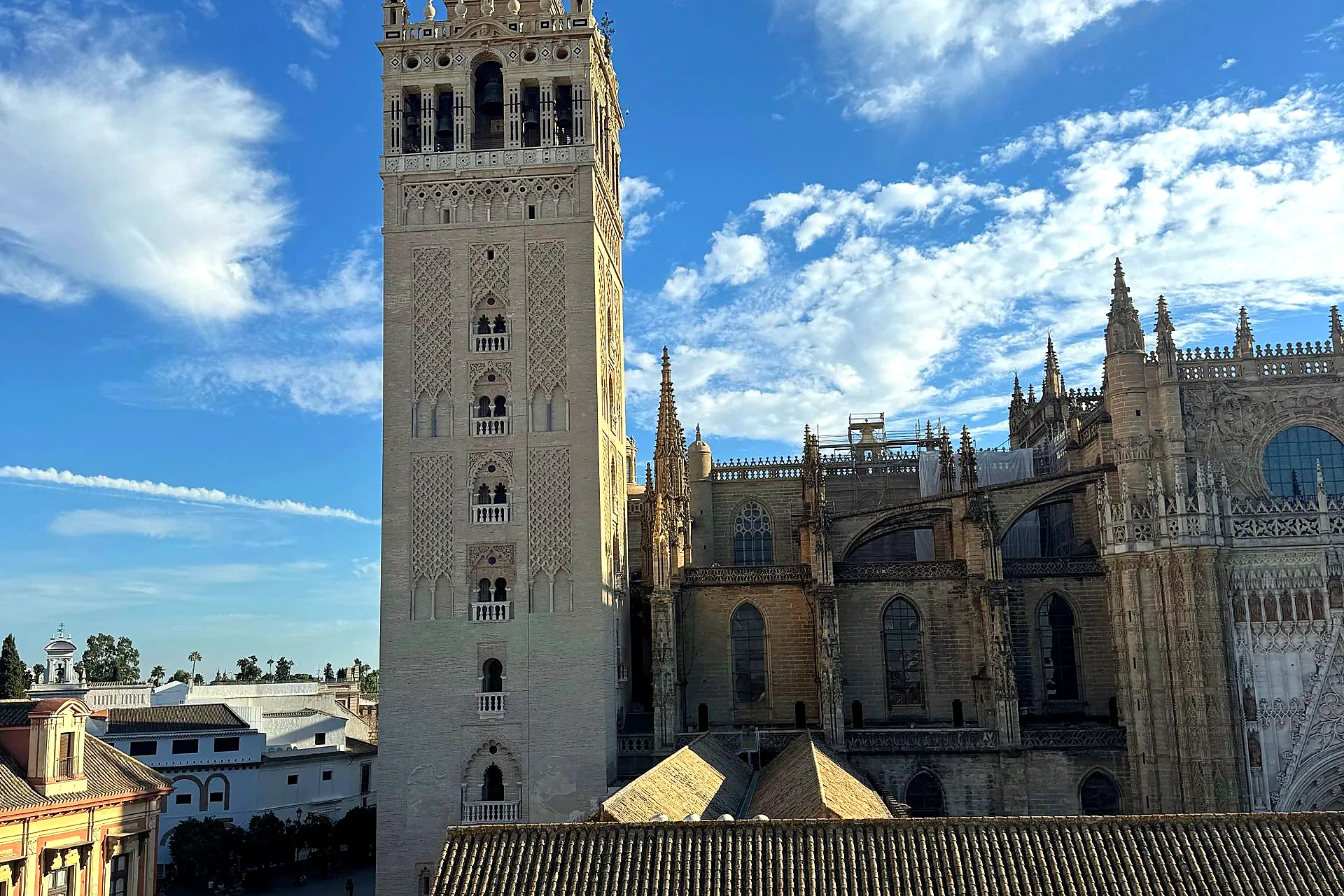
Golden hour in Seville in summer begins at approximately 8:30pm and lasts 45 minutes. Best positions: the Triana bridge looking east toward the Cathedral and Torre del Oro, the rooftop bars with Cathedral views, and the Alcazar gardens from the Galería de Grutescos. Plaza de España photographs best before 9am or at blue hour after sunset. The Alcazar’s Patio de las Doncellas at 9:30am opening — low light, arches reflected in the pool, before the tour groups — is the single most productive photography position in Seville.
Filming Locations
Plaza de España appears in Star Wars Episode II as Theed, the Naboo capital. The Alcazar gardens appear as the Water Gardens of Dorne in Game of Thrones. The Galería de Grutescos is one of the most specifically recognisable GoT locations in Seville. Plaza de España also appears as the city of Braavos in Game of Thrones.
City Comparisons
Seville vs Granada: Different cities answering different questions. Seville has the festival culture; Granada has the Alhambra. The best Andalusia itinerary includes both. Seville vs Córdoba: Córdoba is the day trip from Seville, not the competing destination. Seville vs Malaga: Seville has more monumental heritage and cultural depth; Malaga has beach access and a more casual city break atmosphere. Barcelona vs Seville: Cities of almost entirely different character — metropolitan modernism versus Andalusian Moorish and Catholic heritage.
What Type of Visitor Are You?
Cultural Depth Seekers
The azulejo tile post, the Triana neighbourhood guide, and the local customs guide are the most directly useful content. A specialist architecture tour of the Alcazar reads the building’s political layers in a way no self-guided visit achieves.
Photographers
Golden hour timing is the primary variable. Triana bridge at 8:30pm in summer, Alcazar Patio at 9:30am, and Plaza de España at blue hour are the three most productive positions for visitors with limited time.
Film and TV Enthusiasts
Plaza de España for Star Wars and Game of Thrones, the Alcazar gardens for GoT Water Gardens of Dorne, and the Galería de Grutescos for the most architecturally specific GoT location in Seville.
Returning Visitors
The Macarena and Alameda neighbourhood guides — the two areas most first-visit itineraries miss. The azulejo tile guide for a new visual framework for a place already visited.
Lucía’s Honest Overview
The Seville that most visitors experience — Alcazar, Cathedral, Santa Cruz, a tapas bar in the evening — is a genuine Seville. It is not a false version of the city. But it is the surface layer of a place with considerably more depth beneath it, and the depth is available to anyone who stays long enough or comes back often enough to find it. Triana is where that depth is most accessible — the walk through the neighbourhood on a Sunday morning, the market at 8:30am, and a counter lunch at one of the bars that has not changed its menu in thirty years is the Seville that exists alongside the tourist city and is entirely available to visitors who know to look for it.
FAQ
What is Triana neighbourhood in Seville?
Triana is the neighbourhood on the west bank of the Guadalquivir, historically the neighbourhood of potters, sailors, and Roma communities central to the development of flamenco. It retains a genuinely distinct identity — ceramic workshops, flamenco peñas, the Mercado de Triana, and tapas bars with a local rather than tourist clientele. Ten minutes’ walk from the Cathedral via the Isabel II bridge.
What are azulejo tiles and where can I see them in Seville?
Azulejos are the glazed ceramic tiles that cover the facades, interiors, and public spaces of Seville — €12–25 per tile as souvenirs (2026). The finest examples are in the Alcazar’s Patio de las Doncellas, the benches of Plaza de España, and the ceramic shops and facades of Triana. The geometric patterns use a twelve-pointed star as a recurring foundational unit visible across all contexts.
Was Seville used in Game of Thrones?
Yes. The Alcazar’s gardens and courtyards appear as the Water Gardens of Dorne. Plaza de España appears as the city of Braavos. The Galería de Grutescos — the garden walkway along the Alcazar’s outer wall — is one of the most recognisable GoT filming locations in Seville.
Was Seville used in Star Wars?
Yes. Plaza de España appears in Star Wars Episode II: Attack of the Clones as Theed, the capital city of the planet Naboo. The semicircular colonnade and the canal are clearly recognisable in the film.
Is Seville better than Granada?
They are not in direct competition. Seville has the festival culture (Semana Santa, Feria de Abril) that defines Andalusia’s social calendar. Granada has the Alhambra — the most architecturally unified Moorish palace complex in Spain. The best Andalusia itinerary includes both.
What is the best photography spot in Seville?
The Patio de las Doncellas in the Alcazar at 9:30am opening — low light, carved arches reflected in the pool, before the tour groups. The Triana bridge at golden hour looking east toward the Torre del Oro and Cathedral. Plaza de España at blue hour after sunset.
How does Seville compare to Malaga?
Seville has more monumental heritage and cultural depth. Malaga has beach access and a strong modern cultural offer. For visitors choosing between the two with limited days, Seville offers more to see and more depth. Malaga suits visitors who want beach access combined with a city experience.
Related Posts
- Triana Neighbourhood Seville: History, Character and Why It Still Feels Different
- Azulejo Tiles in Seville: What They Are Saying and Where to Find the Best Ones
- Seville vs Granada 2026: Which Andalusian City Is Worth More of Your Trip?
- Best Photography Spots in Seville: Where the City Looks Like It Should
- Game of Thrones Filming Locations in Seville: Where the Scenes Were Actually Shot
- Local Customs and Etiquette in Seville: What Visitors Get Wrong Without Knowing It